
Review: Stories of Childhood Told Through Dance in BLACK GIRL: Linguistic Play
An early work by Camille A. Brown comes to the New Victory Theater.
 |
Off-Broadway
|
|
Off-Broadway
|
January 27, 2026
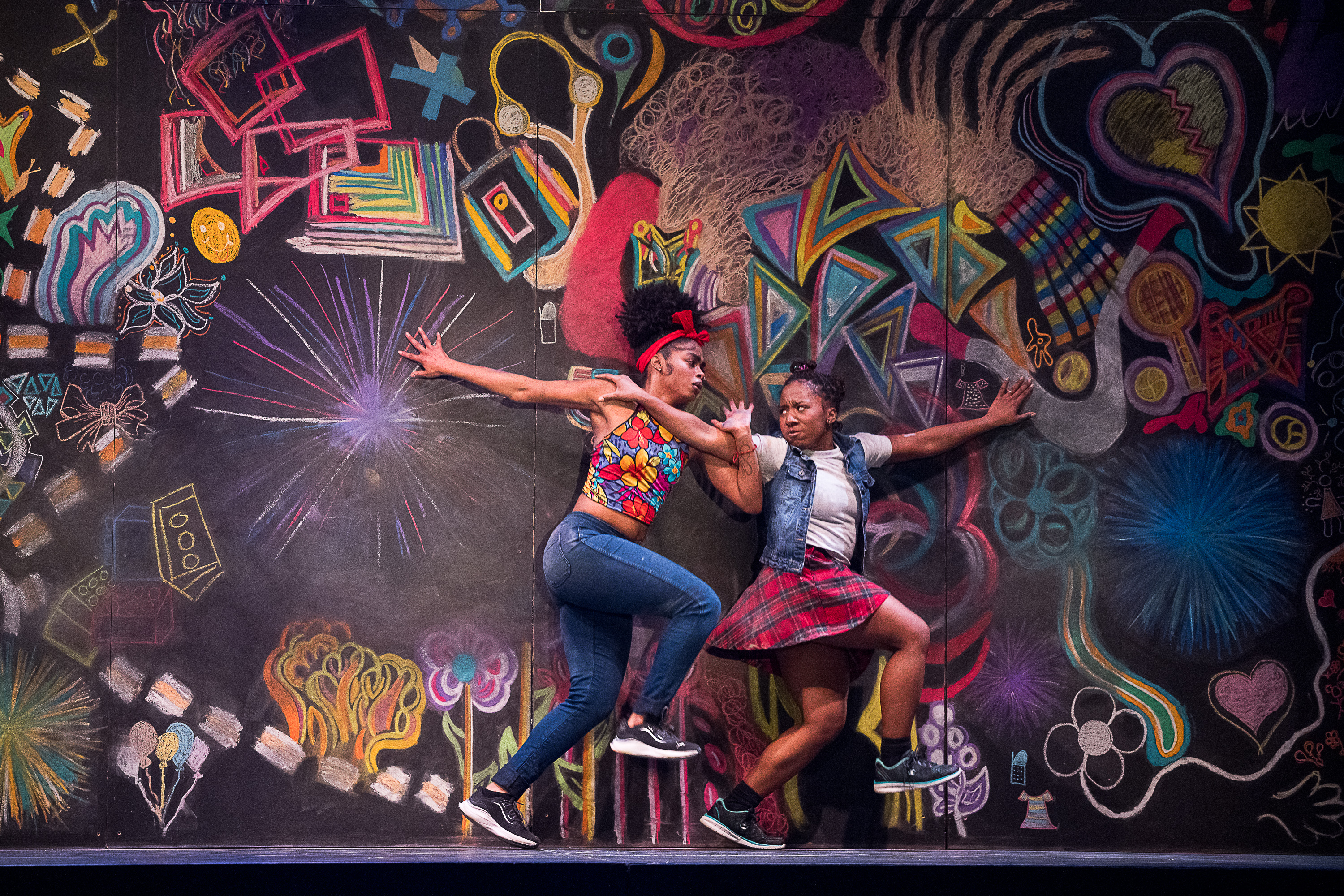
(© Christopher Duggan)
Camille A. Brown is one of the most innovative and in-demand choreographers on Broadway. Her ever-growing list of credits and Tony nominations has made her name a draw, and that list will get longer this fall with the revival of Dreamgirls, which she’ll direct and choreograph.
But she’s also the founder of the Bessie Award-winning Camille A. Brown & Dancers, and the New Victory Theater is now offering kid-friendly audiences an introduction to Brown’s work with her joyful and poignant BLACK GIRL: Linguistic Play, an hourlong piece that had its world premiere in 2015 at the Joyce Theater.
In this three-scene anthology, five dancers from her company, backed by bassist Robin Bramlett and pianist Kwinton Gray, tell the stories of young Black women as they spend time hanging out with friends, dealing with siblings, searching for their identities, and dancing their lives out loud. Their movements comprise a rich dance vocabulary including classic hip-hop moves like the running man and the Dougie, and such nods to their ancestors as Juba and step, along with hand games and an eye-popping routine of Double Dutch (without the rope).
At the same time, the cast (Nya Cymone Carter, Jayah “Mooshi” Gomez, Kai Irby, Courtney Ross, and Asya Melan Shaw-Ebert) brilliantly enact scenes of childhood and adolescence. In the first, two teens revel in their friendship while negotiating social challenges with peers. In the second, the love of two sisters evolves as one of them comes to need more time for herself. And in the last, a mother guides her independence-seeking daughter on her journey into womanhood.
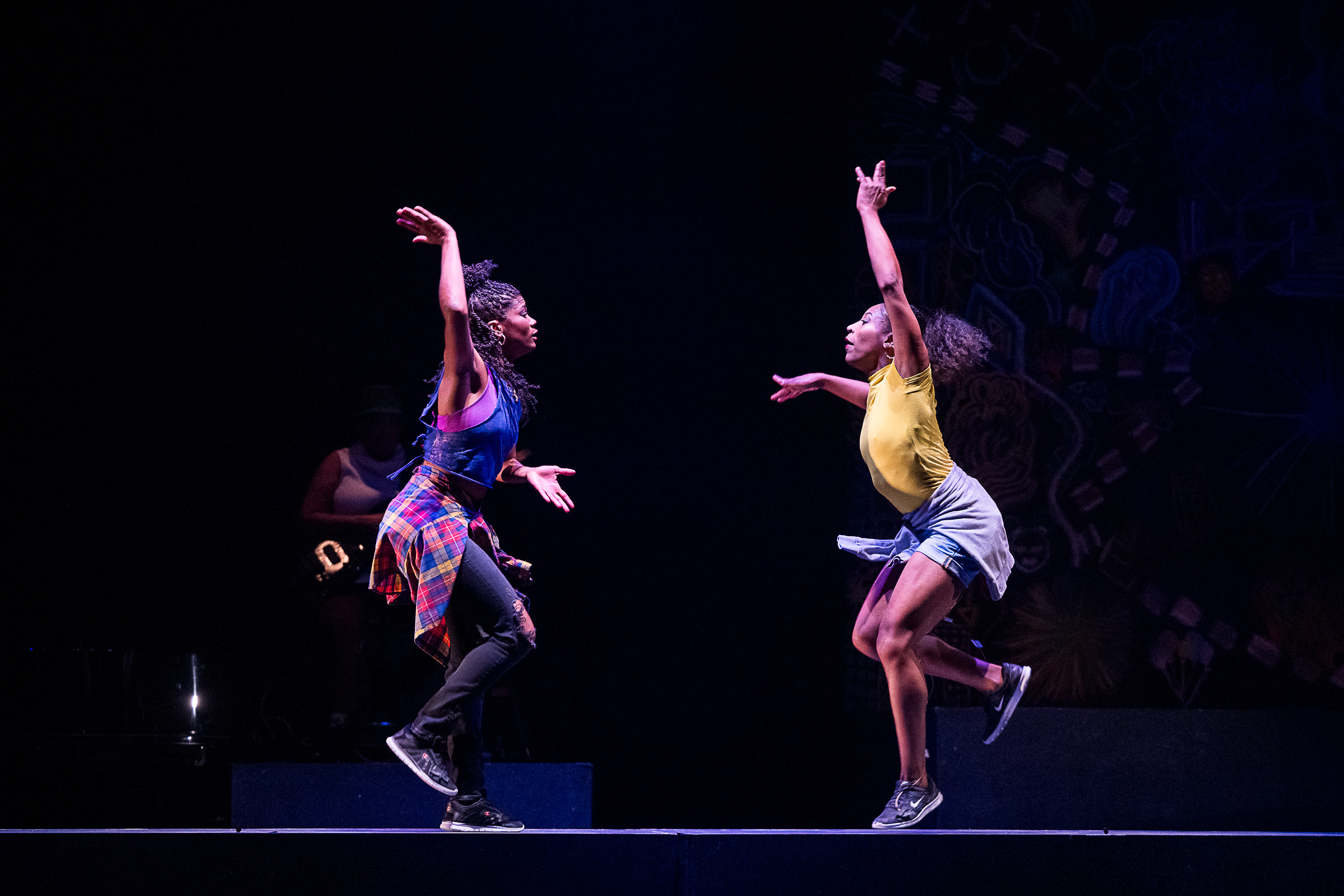
(© Christopher Duggan)
It all takes place on a set of raised platforms (designed by Elizabeth C. Nelson) in front of a chalk mural that explodes with colorful images from the lives of the characters. Burke Wilmore illuminates the scenes with bright light to catch clouds of chalk dust that swirl in the air like the magic words of a whispered wish, while Sam Crawford’s sound design lets us hear every stomp and joyful clap.
I attended a talkback after the show and listened to kids ask the performers some great questions. It’s a testament to Brown’s storytelling that the diverse young audience was so engaged with the dance, the scenery, and the backgrounds of the characters and performers.
Not all the specifics were understood by everyone—of course not. But even when our vocabularies are different, there are always opportunities to understand if we’re open to them. That’s an important lesson for kids to walk away with—and maybe even more important for the adults.




Featured In This Story

Latest Reviews
See all

Latest Videos
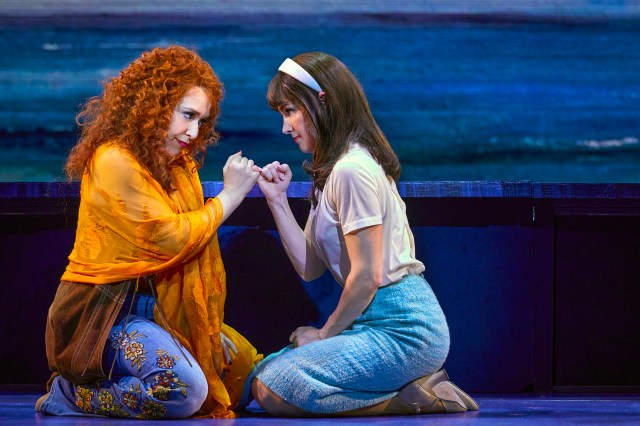
Watch Jessica Vosk and Kelli Barrett Sing a Song From the Upcoming Broadway Musical Beaches
Broadway performances start on March 27 at the Majestic Theatre.