
CEO
Getting in the Mood for Dinner and Theater at the Candlelight in Colorado
A conversation with Executive Producer Dave Clark.
 |
Colorado
|
|
Colorado
|
January 7, 2026
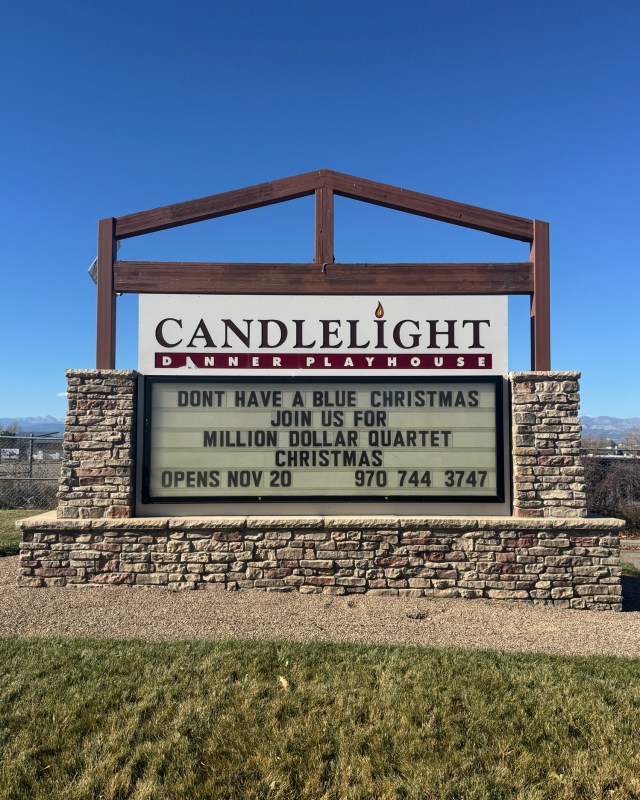
For nearly two decades, Candlelight Dinner Theatre has offered northern Colorado a complete evening out rooted in hospitality, craft, and live performance. Founded in 2008, the venue built its reputation on a simple idea that still feels distinctive today: dinner and theater are not separate events, but parts of the same experience.
We spoke with Executive Producer Dave Clark about what a night at Candlelight looks like, how the season is programmed, and why the company is thinking far beyond its current stage.
(© Candlelight)
This conversation has been condensed and edited for clarity.
A lot of our readers may not have experienced dinner theater. What is a night at Candlelight actually like?
“It’s an all-inclusive evening out, including dinner and the show. On a full house night, we will have about 300 people come for dinner. The menu changes show to show. Every production we do, we theme the menu to the current show, so it matches the experience. People sit at tables with their friends and family, enjoy dinner, and then the show starts. They do not move seats. They watch the first act, then we have an intermission and dessert comes out.”
Clark notes that for many guests, the experience itself changes expectations. “When I first started here, it was interesting to see a lot of grumpy old husbands get dragged into the theater with their wives, and they leave with a smile on their face.”
There are many theaters in Colorado, but very few dinner theaters. What is the broader theater community like?
“I think it is very supportive,” Clark says. “I was just at a meeting with several theaters in northern Colorado that wanted to get together and see what we can do to support each other. We know the theters business. The theter world is something everybody likes. Actors go from theater to theater, and we encourage that. We certainly do not want to build walls between us.”
How do you approach programming a season?
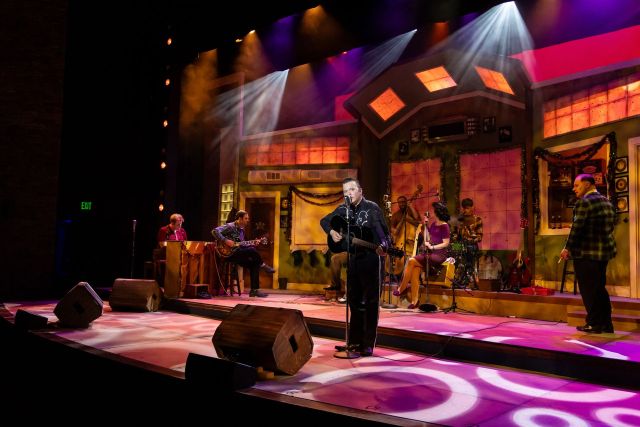
“It comes down to doing what the audience wants,” Clark explains. “When I took over at Candlelight, one of the things I changed was show selection. A lot of theaters pick shows the actors want to do. I said, wait a minute, why do not we do shows the audience wants to see?”
He continues, “We use comment cards and surveys to understand what people are looking for. We have an internal audience and an external audience, and we have to make sure both are satisfied.”
(© RDGPhotography)
What does that balance look like for an upcoming season?
“We are very excited because we are getting the chance to do Les Misérables,” Clark says. “They called me and said, ‘If we can get this for you, how soon can you do it?’ I said, ‘We will do it right away.’”
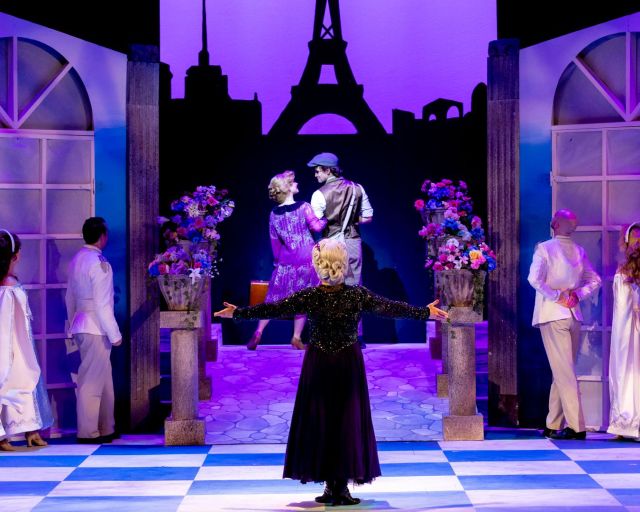
The rest of the season reflects the same audience driven approach. “We are also doing Holiday Inn, Seven Brides for Seven Brothers, Finding Neverland, and Frozen. Our 19th season is filled with stories of adventure, family, friendship and journeys of discovery. We cannot wait to bring this incredible season to our patrons! “
Quality remains non negotiable. “Another thing I put a lot of emphasis on is production quality,” Clark adds. “People tell us they have seen shows on Broadway and that what we do here is comparable. That is music to my ears. We want people to enjoy it and keep coming back.”
What is next for Candlelight beyond the current theater?
“We want to build another theater on the same complex, similar to what the Denver Center has with multiple theaters,” Clark says. “We want a campus style space. That could include a learning center with classes, event space, and eventually an outdoor amphitheater.”
He continues, “We also want a second main stage that is not a dinner theater. That one would have more bells and whistles, like a full fly system, LED walls, and new technology. It would be a different experience and help us become more of a regional draw.”
What is driving that long term vision?
“The initial thought was, we are successful here, can we be successful somewhere else,” Clark explains. “This is not a short term project. We have about 20 acres of land, and we can expand as the market allows.”
He points to growing interest from tour groups and destination visitors. “People already come on bus tours. We think we can get on those circuits and become a bigger attraction if we offer more experiences in one place.”
At its core, Candlelight’s growth is guided by the same principle that shaped its first season. Listen to the audience, invest in quality, and think in decades rather than quarters. In a region that values both tradition and innovation, that steady approach may be its greatest strength.
(© The Creative Agency)




Latest Reviews
See all

Latest Videos
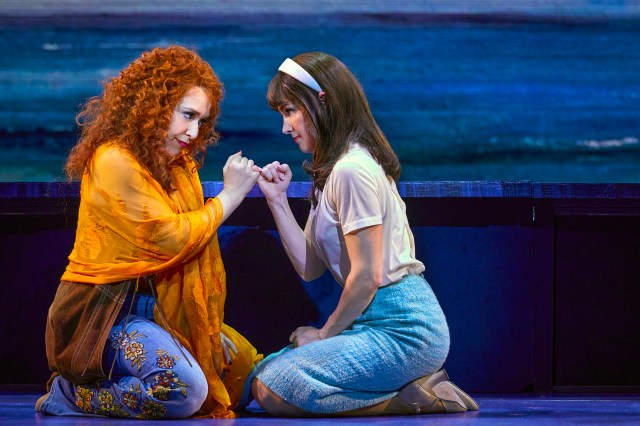
Watch Jessica Vosk and Kelli Barrett Sing a Song From the Upcoming Broadway Musical Beaches
Broadway performances start on March 27 at the Majestic Theatre.