
Film Review: Jessica Lange Brings Down the House, Again, in Compact Long Day's Journey Into Night
In a downsized O’Neill adaptation, Jonathan Kent directs Lange in the role that earned her a Tony.
 |
Los Angeles
|
September 25, 2026
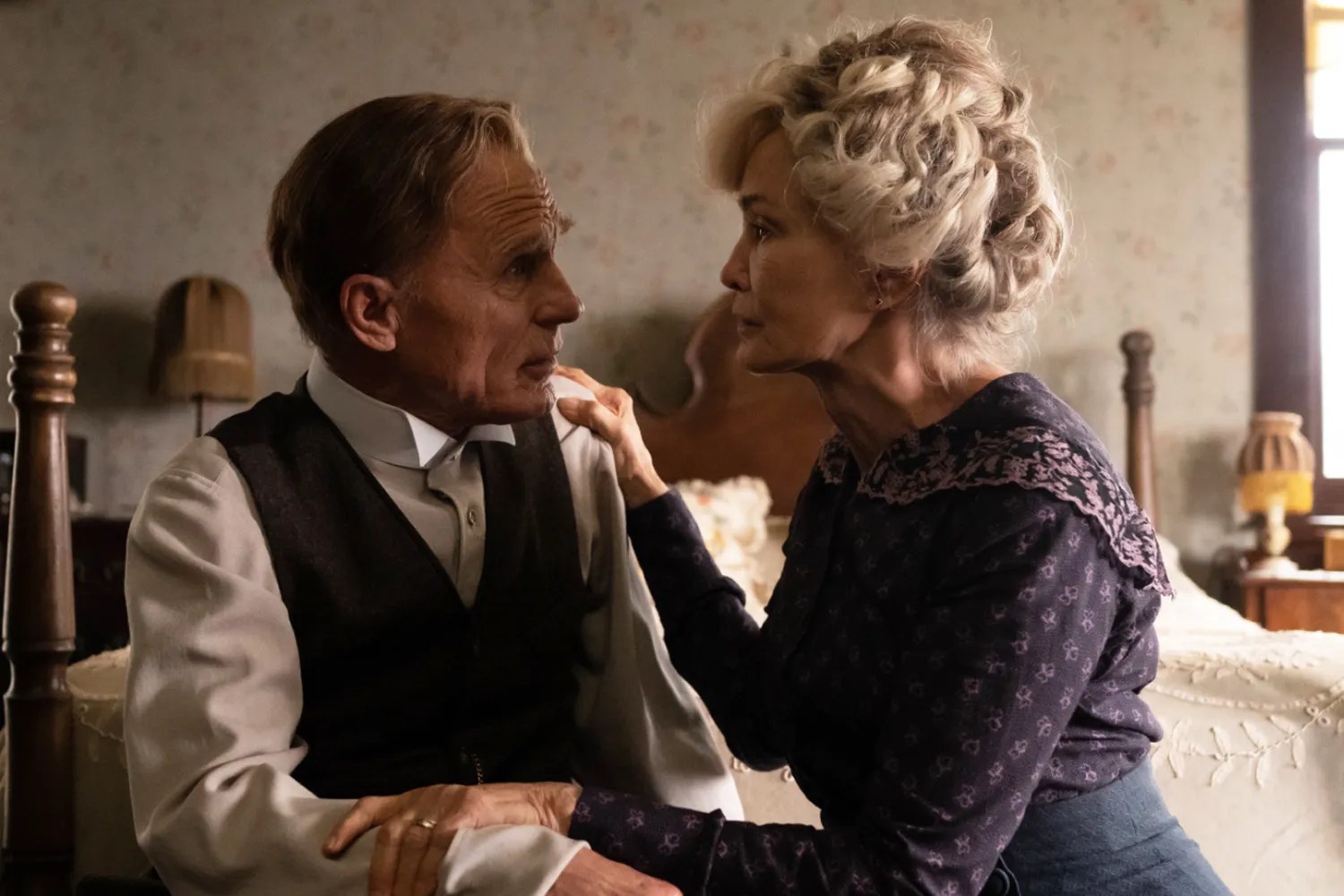
(© Quiver Distribution)
Now and then we get to see an actor bring a lauded theater performance to the big screen. Viola Davis, Yul Brynner, Joel Grey, and Anne Bancroft come to mind. They won Tonys for roles that they reprised for film, and then later all won Oscars for them. It doesn’t happen often, but when it does, it’s memorable.
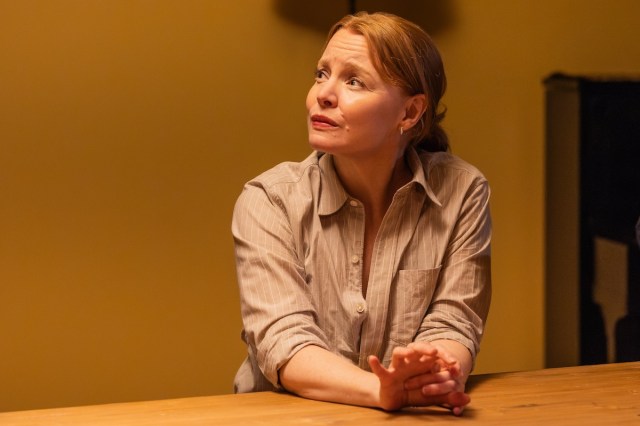
“Memorable” fails to capture the magnitude of the performance that Jessica Lange delivers in director Jonathan Kent’s haunting, seductively claustrophobic film version of Eugene O’Neill’s Long Day’s Journey Into Night, which premiered last year at the Dublin International Film Festival. Lange’s Mary Tyrone is now, unequivocally, the benchmark for all performances of the role, in film and onstage, and the one to which all will be compared.
Lange’s portrayal of Mary on film, however, is in many ways starkly different from the one she gave in the 2016 Broadway production, also directed by Kent, who earned a Tony nod for it. Rather than making broad gestures that need to play to the back of a house, Lange gives us startling and cringe-worthy intimacy—a desperate fatigue in the eyes, a wisp of gray hair disciplined with the back of a hand, simmering rage in a whisper. Kent’s camera catches it all.
And it’s thrilling. Which is saying a lot for a story saturated with despair, alcohol abuse, lost dreams, and the nightmare of opioid addiction. O’Neill’s semiautobiographical play, often considered his masterpiece, is a long one. But Pulitzer- and Tony-winning playwright David Lindsay-Abaire has compressed the play’s usual four-hour runtime into a script that gets it down to less than two. How much gets lost in the process?
A lot, and not much. It sure makes for a shorter day’s journey, and that might make the prospect of watching this film more appealing to some. O’Neill purists might balk, but they shouldn’t. Though the three male characters feel, more so than usual, like supporting roles to Mary in this version, Lindsay-Abaire has distilled the Tyrone family’s story without losing its tragic majesty.
Lange plays opposite a brilliant Ed Harris, his blue eyes radiating quiet desperation, as the typecast actor James Tyrone, stand-in for O’Neill’s tightfisted father. During a single boozy day in August 1912 at the Tyrones’ seaside summer home in Connecticut (the film was shot in Ireland), Mary and James confront past regrets and grievances along with their two sons, the good-for-nothing Jamie (Ben Foster) and the consumptive Edmund (Colin Morgan), all while Mary makes occasional trips upstairs to get her fix of morphine.
It’s a painful thing to watch, and yet it’s hard to look away as the family comes undone before our eyes like Mary’s gradually unraveling hair (designed by Bernie Dooley). There’s not much in the way of comedy here, unless you count Lange’s fantastic timing at casting a barb. “We all know why you like him, James,” says Mary, talking about the doctor James has chosen to treat Edmund’s TB. “Because he’s cheap,” she says, like she’s snapping the neck of a chicken.
Most of the drama takes place inside the Tyrones’ house, with occasional breaths of ocean air and highly symbolic flourishes, such as when James and Jamie go outside and cast recriminations at each other while clipping the shrubbery with sharp garden shears. As the afternoon progresses, we see the noose of the day tightening while the men get dressed in high collars and constricting neckties (costumes by Joan Bergin), and Mary changes from a light-colored blouse to a dark blue one after her first hit (her costumes were designed by Jane Greenwood). Mark Wolf’s cinematography gorgeously captures it all, along with the contrast between the indifferent ocean, the encroaching fog, and the suffocating darkness swelling within.
Foster and Morgan deliver fine performances here, but they pale in comparison to the fiery ones that Kent got out of Michael Shannon and John Gallagher Jr. on Broadway. Harris has flashes of brilliance, a gravelly Irish brogue slipping through as James realizes that things are not going to get better. But it’s Lange who elevates it all to the realm of high tragedy in a truly unforgettable performance. Will she be recognized at the Oscars? It would be tragic if not.




source on Google
Related Articles
See all
Latest Reviews
See all






Latest Videos

Find Out the Real Story Behind Broadway's Here There Are Blueberries
Writers Moisés Kaufman and Amanda Gronich discuss the new drama alongside their cast.