
Obituaries
Tim Curry, Rocky Horror's Original Frank-N-Furter, Dies at 80
Curry was an actor with an eclectic stage and screen career.
 |
Los Angeles
|
|
Los Angeles
|
August 26, 2026
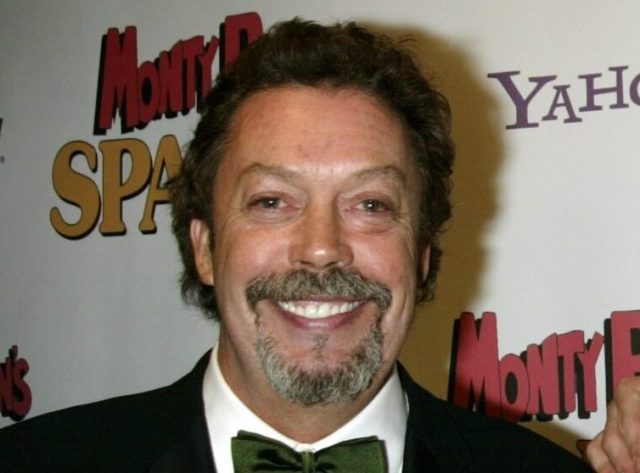
(© Joseph Marzullo)
Tim Curry, the British stage and screen actor whose electrifying performance as Dr. Frank-N-Furter in The Rocky Horror Picture Show made him an international icon, has died at the age of 80.
Born April 19, 1946, Curry studied at the University of Birmingham before beginning his professional theater career in the original London production of Hair. Also in the cast was Richard O’Brien, who would go on to write the gleefully subversive musical The Rocky Horror Show, in which Curry originated the role of the flamboyant transexual scientist Dr. Frank-N-Furter.
Curry first played the role at London’s Royal Court Theatre before taking the production to Los Angeles and, later, Broadway, where it famously flopped. In between, he starred in the film adaptation, retitled The Rocky Horror Picture Show. Though the movie got off to a slow start, it eventually found an audience through midnight screenings, becoming the enduring cult classic it remains today.
The Rocky Horror Show served as Curry’s Broadway debut in 1975. Later that year, he originated the role of Tristan Tzara in Tom Stoppard’s Travesties. He received Tony nominations for originating the roles of Mozart in Amadeus, Alan Swann in My Favorite Year, and King Arthur in Monty Python’s Spamalot, which marked his final Broadway appearance. He also toured in Me and My Girl.
On screen, Curry appeared in an eclectic assortment of films, including Annie, Clue, Home Alone 2: Lost in New York, and Muppet Treasure Island, among many others. He was beloved for his scary turn as Pennywise, the murderous clown, in Stephen King’s It, and for his voice performances as Nigel Thornberry in The Wild Thornberrys and Hexxus in FernGully: The Last Rainforest.
Curry suffered a major stroke in 2012 that left him wheelchair-bound for the rest of his life. He leaves no immediate survivors.
Through it all, Curry was aware of the impact of Rocky Horror. In his 2025 memoir Vagabond, he wrote of the film, “I sincerely hope it continues liberating people to be themselves. God knows it gave me license to forgo expectations and to embrace my contradictions. The entire scope of the experience was also, in many ways, among the most joyous times of my life.”




source on Google
Latest Reviews
See all







Latest Videos
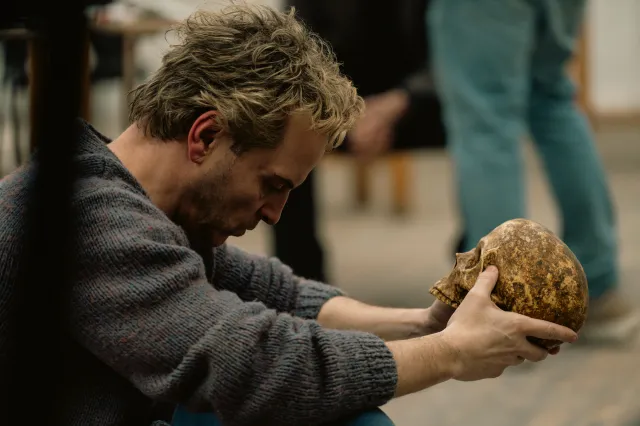
Watch the Trailer for Elsinore Starring Andrew Scott
The film is based on the true story of Ian Charleson, who played Hamlet at London’s National Theatre after being diagnosed with AIDS.