
Interview: Eisa Davis on Girls, Chance, Music, and Warriors
Davis discusses her new play, her new musical, and a revival of one of her older works.
 |
Off-Broadway
|
|
Off-Broadway
|
June 5, 2026
Eisa Davis can do anything. She was a Pulitzer Prize finalist for her 2007 play Bulrusher, and has two Obie Awards for her work as a performer (one for being part of the cast of musical Passing Strange, and another for Sustained Excellence).
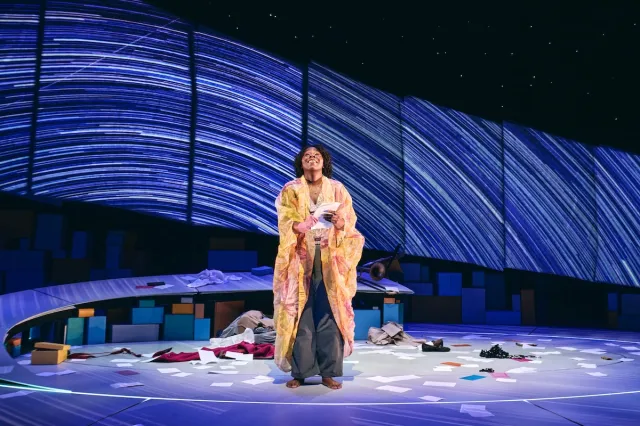
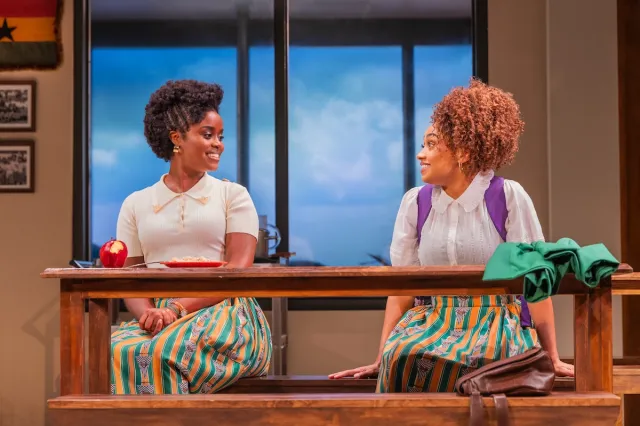
Her newest play (with music), ||: Girls :||: Chance :||: Music :||, now at the Vineyard Theatre, is a bracing exploration of the shifting relationships among four teenagers at a summer all-girls music program.
Davis spoke to TheaterMania about the importance of the three words that make up the play’s title, becoming the newest resident playwright at Signature Theatre, and bringing her 2024 concept album, Warriors, which she co-wrote with Lin-Manuel Miranda, to Broadway next spring.
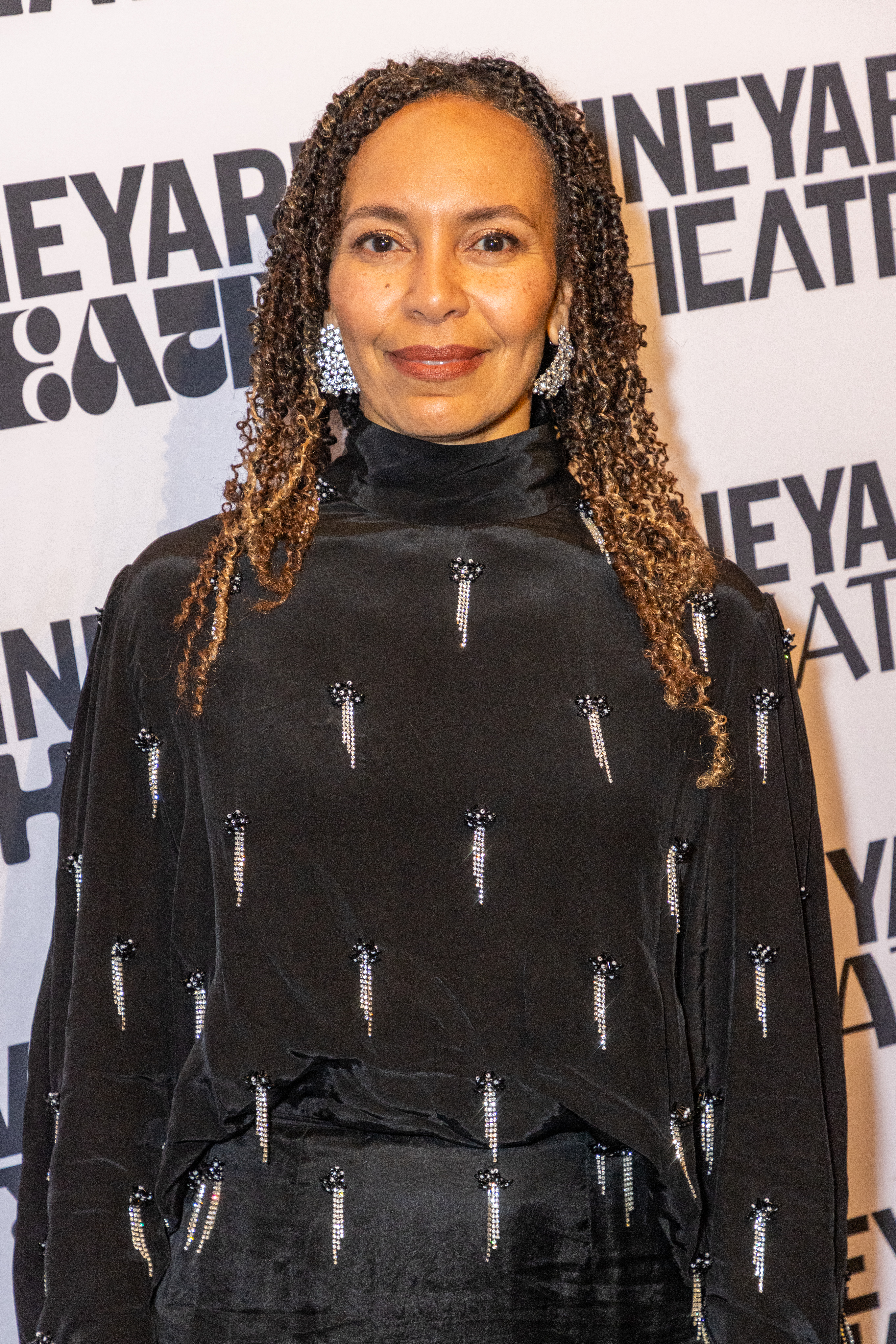
(© Tricia Baron)
This conversation has been condensed and edited for clarity
The girls in the play feel so contemporary. How do you get in the heart of people so much younger than you?
One of the muscles you develop as a playwright is to be a good listener. Personally, I love to hear how other people speak: the innovative syntax, dialect, or idioms that are different than mine. I let this kind of language enter my metabolism and then see if I can express its authenticity on the page.
The very first reading of this play was on Zoom during the pandemic; I asked Pam MacKinnon if I could have both an adult and a teen cast, so I could do dramaturgical work with the adults and work with the teens on the language. Luckily, the teens said “Yes, this is really us.” And since we stated production, we’ve asked teenagers in our audience about the language, and they say to us, “This is accurate, except we curse more.”
One of things that fascinated me is that the girls in the play talk about sexism and how they let “boys” define them. Why was that such an important topic to explore?
It’s only in two or three places in the play, but I am glad you noticed. I have never been in an all-femme educational environment, but I have been in a working one; and for all of its own drama, being in a room only with the same gender creates a sense of strong self-esteem and confidence that a lot of femmes cannot otherwise discover. I wanted girls to know there are places they can find a kind of sovereignty, especially when it comes to creation and improvisation, which is doubly difficult. Even today, people are skeptical of women composers; people ask me all the time if I actually wrote this music.
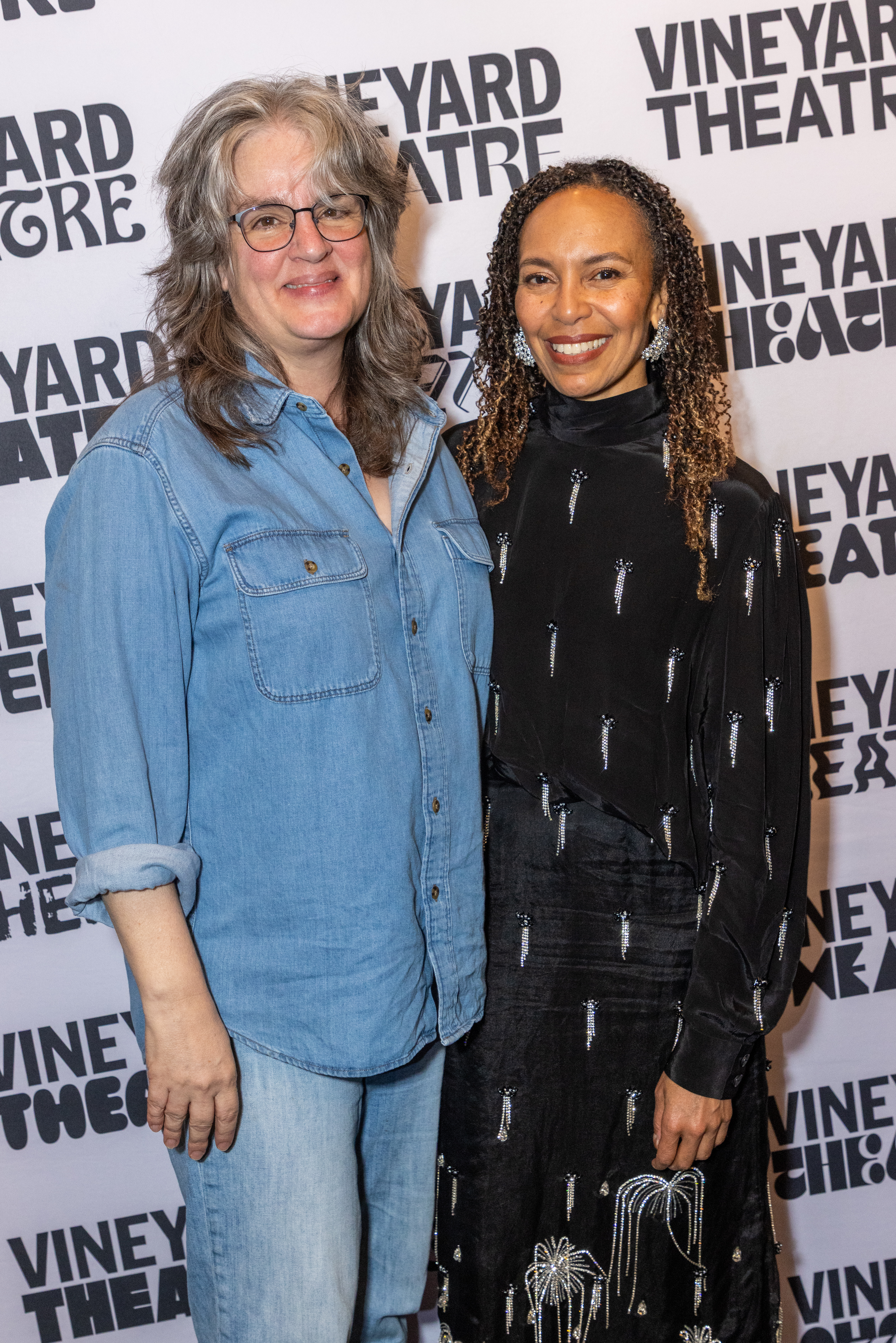
(© Tricia Baron)
What role has “chance” played in your life?
Well, I embrace all aspects of chance in life, whether that’s something arbitrary or an opportunity that suddenly pops up. But there are two other reasons for that word. There is an earthquake during the play that changes everything, and after it happens, the character of Margot talks about whether it was chance or predetermination. And I realized that’s a question you put aside as an adult, but it’s a bigger question when you’re a kid. What controls your life beyond your parents or your teachers? How do I test my own power? I thought about that a lot as a teen, and I think a lot of young people still do.
The word is also a reference to “chance music.” We have a board in the lobby where audience members put stickers on musical notes to create a tone row, so the melody the actors play and sing on stage is unique every night.
One of the recurring questions in the show is “what does music mean to you?” What does it mean to you?
I don’t think I’ve ever asked myself that. Music is my companion; it’s inside me all the time. It allows me to survive the slings and arrows of life. I’m always thinking of music, especially the rhythm of the dialogue; that is a lot of how I create a character whether in acting or writing. I am very grateful for it.

(© Jimmy Fontaine)
You’re the new Resident Playwright at Signature and will be remounting your autobiographical show Angela’s Mixtape next spring. Are you excited about presenting it again?
I am still in denial about Signature. I am so honored to be in that coterie, and I hope I can make all those people, living or dead, proud. It’s also where I began my career, doing a play by Adrienne Kennedy called June & Jean in Concert as part of her season.
She’s still my mentor at age 94. She is the person who said, yes, you can write about your family (which includes the legendary activist, Angela Davis, the play’s namesake). As for remounting it, I am excited to see what makes it timely right now and how audiences who didn’t see it before will react to it.
It appears a stage of version of Warriors is coming to Broadway next spring. Tell me about working on this transition.
We’ve been in workshops since last October, and it’s been surprising to see what we really need to maintain the unconventional aspects of the album and do justice to the expectations of a stage musical. When the project started, I was just going to write the book, but now, we’re both doing everything. I’ll suggest some lyrics and music, or I’ll just write it, and Lin[-Manuel Miranda] will do the same. We work as a one-mind organism. Being in a room with Lin is a blast. And now we’re responding to the needs for something visualized and onstage. Working with our director Jenny Koons and the designers—seeing the work in space and body—has been a shock to the system. But it’s all really fun and I am so excited to see the final project!




source on Google
Featured In This Story

Related Articles
See all
Latest Reviews
See all



Latest Videos
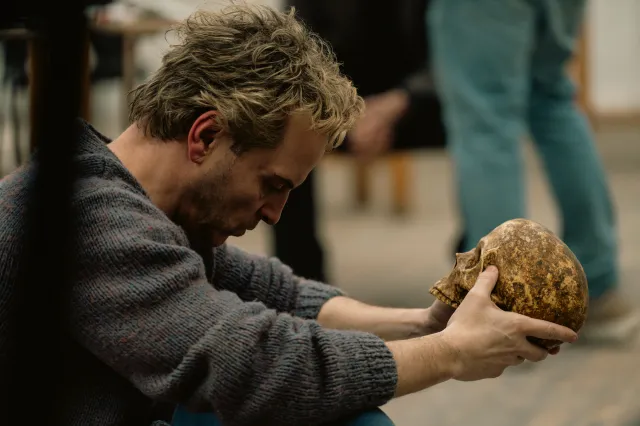
Watch the Trailer for Elsinore Starring Andrew Scott
The film is based on the true story of Ian Charleson, who played Hamlet at London’s National Theatre after being diagnosed with AIDS.