
Interview: Joe Keery Talks Other Desert Cities, Stranger Things, and Sweet Potatoes
The Netflix star is making his Broadway debut in Jon Robin Baitz’s Tony-winning play.
 |
Broadway
|
November 4, 2026

(© Tricia Baron)
Joe Keery has faced down plenty of strange things onscreen, but nothing quite prepared him for the tremendously messy business of family. Stepping into the world of live theater in Jon Robin Baitz’s Other Desert Cities, after Netflix’s Stranger Things had its series finale in December, was more than a return to his acting roots; it was an opportunity to challenge himself in an entirely new way.
In his Broadway debut, Keery takes on the role of Trip, the seemingly easygoing Wyeth son navigating a household filled with secrets, tension, and unresolved history. Keery spoke with TheaterMania about learning from a powerhouse ensemble, how his years on Stranger Things shaped him as an artist, and why returning to theater has reminded him of the importance of listening, trusting himself, and embracing whatever creative adventure comes next, including his culinary obsessions.
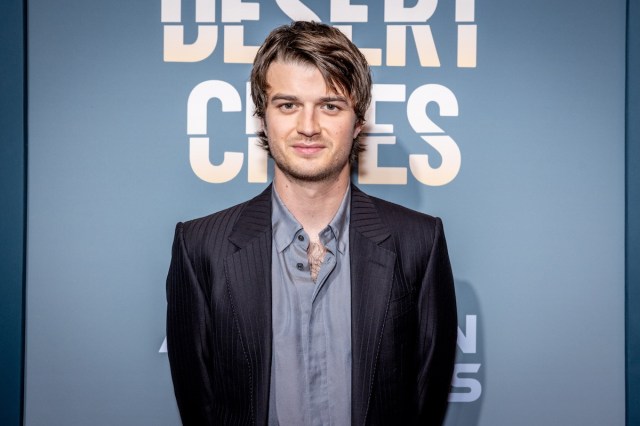
(© Tricia Baron)
This conversation has been condensed and edited for clarity.
What does live theater allow you to explore that television and film don’t?
You get the ability to see something through for two hours from beginning to end, and it is kind of unparalleled anywhere else. I was kind of getting that itch scratched from doing live music since my early 20s when I graduated from DePaul University with a BFA in acting. I didn’t really do any plays after that, so I joined a band and that kind of fulfilled that feeling. I knew that I wanted to go back and try to do it because of the challenge.
In Other Desert Cities, Trip is surrounded by a complicated family history and a lot of unspoken tension. What drew you to Trip and how did you approach finding his voice?
I love what Jon Robin Baitz has written. It is a mirror for everybody and their relationship with their own families. The role that I play in my own family is not something that I take much time to think about, but studying on this job really made me consider it when looking through Trip’s eyes. I see him as a connective tissue. He takes a lot of the other characters’ burden. He’s a confidant and listener, constantly playing devil’s advocate as the voice of reason. [Director] John Benjamin Hickey had such a great sense of Trip and his place in this family. I felt that Trip was a real combo of myself and him. John was constantly urging me take these scenes and put lifts in them—try to drag these people out from the chaos, lighten the mood, and inject a bit of brightness where maybe the writing doesn’t reflect that. It’s playing against the writing in some ways, which I found really fun.
Was there a challenge in balancing the comedy with the emotional weight underneath it?
I’m working with an absolute stacked cast of amazing veterans of the business. Allison [Janney], Lily [Rabe], Julia [Louis-Dreyfus], and Ed [Harris]—I look up to all of them and they are able to play in both spaces really easily, so I feel like as a group within this family vibe, we’re able to [switch] in between. No character realizes they’re in a comedy or in a drama, things are just happening to us. My favorite kinds of stories have both elements. It’s really fun to play because it can surprise the audience.
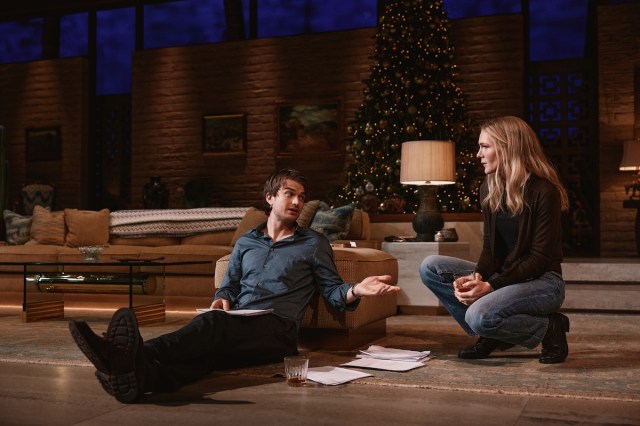
(© Emilio Madrid)
It’s exciting to see you take on a dramatic play after Stranger Things because Steve Harrington became such a beloved character. When you look back at the journey you took with him, what are you proudest of?
I am proud to be part of something that affected so many people and to be one piece of this really complex puzzle. It was also such an education in storytelling, just to witness it with all of my fellow actors and the [Duffer] brothers. I’m proud of my character! Steve was a really large chapter in my life, but I felt like it was time for it to end, and it made me really excited to change things up and try something new.
How did Steve inform or influence Trip, if at all?
They’re both … me. I’m sure people see little bits of Steve in Trip, but really that’s just me because I brought so much of myself to the role of Steve. As I was working on Other Desert Cities, I spent most of my time thinking about my fellow actors and working with them to build the history of the Wyeth family.
Music has been another major part of your creative life. What does making music as Djo allow you to express that acting doesn’t?
It’s a way for me to be the executor of a project and to have a little more control. Especially when I was working on Stranger Things, it was a great thing to go to because I could live in this little world that I made on my own with my fellow musician friends and say what I wanted to say and explore. I also love the craft of songwriting, arranging, and writing music.

(© Emilio Madrid)
You have said that School of Rock influenced you to perform. How would you like to envision yourself taking on a Broadway musical?
To be honest, I am pretty naïve when it comes to the history of musical theater. It’s not the first thing on my bucket list. The amount of stamina that musical performers must have to be able to do something like that is astounding to me. Never say never.
When you think about the next chapter in your career, what are you most curious to discover about yourself as an artist?
Something I love about this play is that it tests you. Every single night you have to get up there no matter how you are feeling, and you have to find something. Sometimes you’re really inspired, but sometimes you’re like, “Man, I’m empty. I really don’t have anything.” It’s a great lesson in always trusting yourself and allowing the words to reveal new things about the story or the character.
What would audiences be surprised to learn about the Joe Keery who walks off stage after performances?
I get obsessed with specific foods and cooking. Right now, I’m eating a ton of kiwis. Earlier in the rehearsal process I was obsessed with trying to bake the perfect sweet potato. I got it down pretty good.




source on Google
Featured In This Story

Related Articles
See all
Latest Reviews
See all




Latest Videos
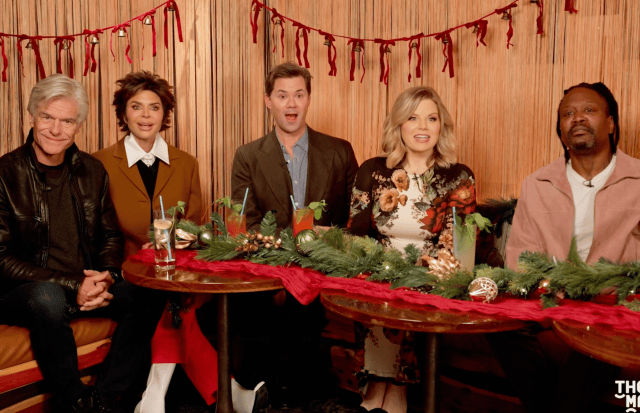
Watch: Lisa Rinna, Harry Hamlin, Megan Hilty and More Discuss It's a Wonderful Life on Broadway
Andrew Rannells, Tituss Burgess, playwright Joe Landry, and director Jerry Zaks join the conversation about the Broadway premiere of this live radio play.