
Interview: Betty Buckley Talks About Her New Album Enough, Broadway Memories, and the Art of Storytelling
The Tony-winning legend reflects on music, reinvention, and her new live album.
 |
New York City
|
|
New York City
|
June 29, 2026
Betty Buckley has long been one of Broadway’s most distinctive voices, and as a performer, her career has moved between theater, television, film, and the concert stage. She won a Tony Award for her memorable turn as Grizabella in Cats, brought grand theatrical force to roles including Norma Desmond in Sunset Boulevard, and became familiar to television audiences through Eight Is Enough. Over the years, Buckley has built a reputation not only as a powerhouse singer, but as an artist who treats every song as a lived-in story.
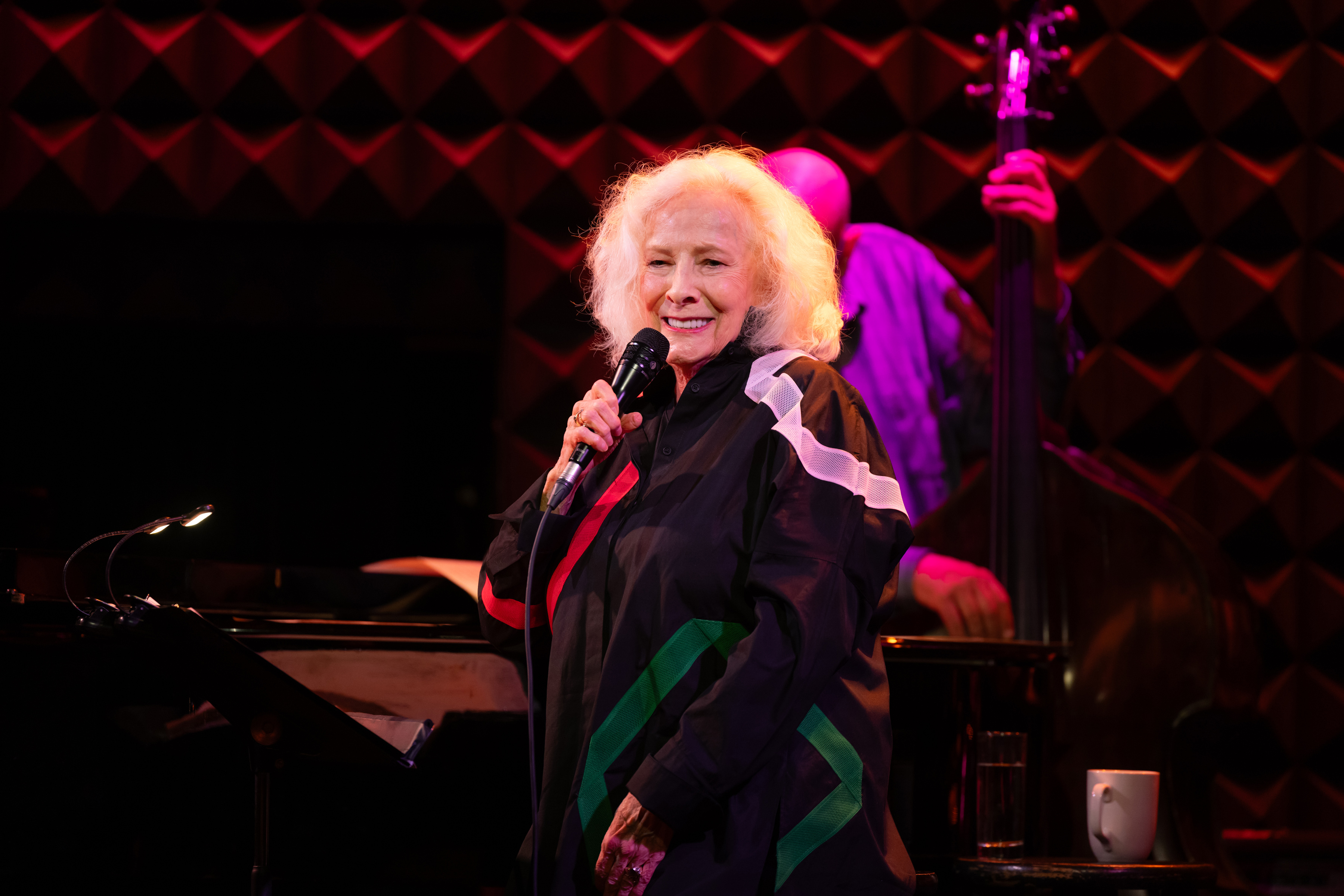
Her latest chapter centers on Enough, a live album recorded at Joe’s Pub with longtime pianist, arranger, and music director Christian Jacob, alongside a band that helps her reshape familiar material into something intimate and immediate. The collection includes songs by Bob Dylan, James Taylor, Paul Simon, and Sara Bareilles, whose title track comes from the upcoming musical The Interestings.
TheaterMania recently talked with Buckley about why nostalgia has never been her guiding force, how her relationship to signature songs has changed with age, and why she sees performance as a kind of emotional repair work. She also looks back on the jazz singers and musicians who shaped her ear, from Sarah Vaughan to Keith Jarrett, and explains how those influences continue to inform the way she connects with an audience today.
(© David Andrako)
This conversation has been condensed and edited for clarity.
Your new album comes out in July. For people who haven’t heard it yet, how would you describe it?
I’ve been grateful that Joe’s Pub keeps bringing us back for our spring residency there with my beautiful pianist, arranger, and music director Christian Jacob, and my amazing band: Tony Marino on bass, drummer and percussionist Keita Ogawa, and guitarist Jordan Peters. Christian and I have been working together for almost 20 years, and we do a new collection each year. It takes us about six months to come up with each one. I’ve always thought of myself as a kind of painter, a portrait painter. I’m a storyteller, and I’m always looking for material that is resonant with me at the moment, where I am in my life presently.
You’ve said you’re not a nostalgist. Does that make song selection harder when audiences come expecting the hits?
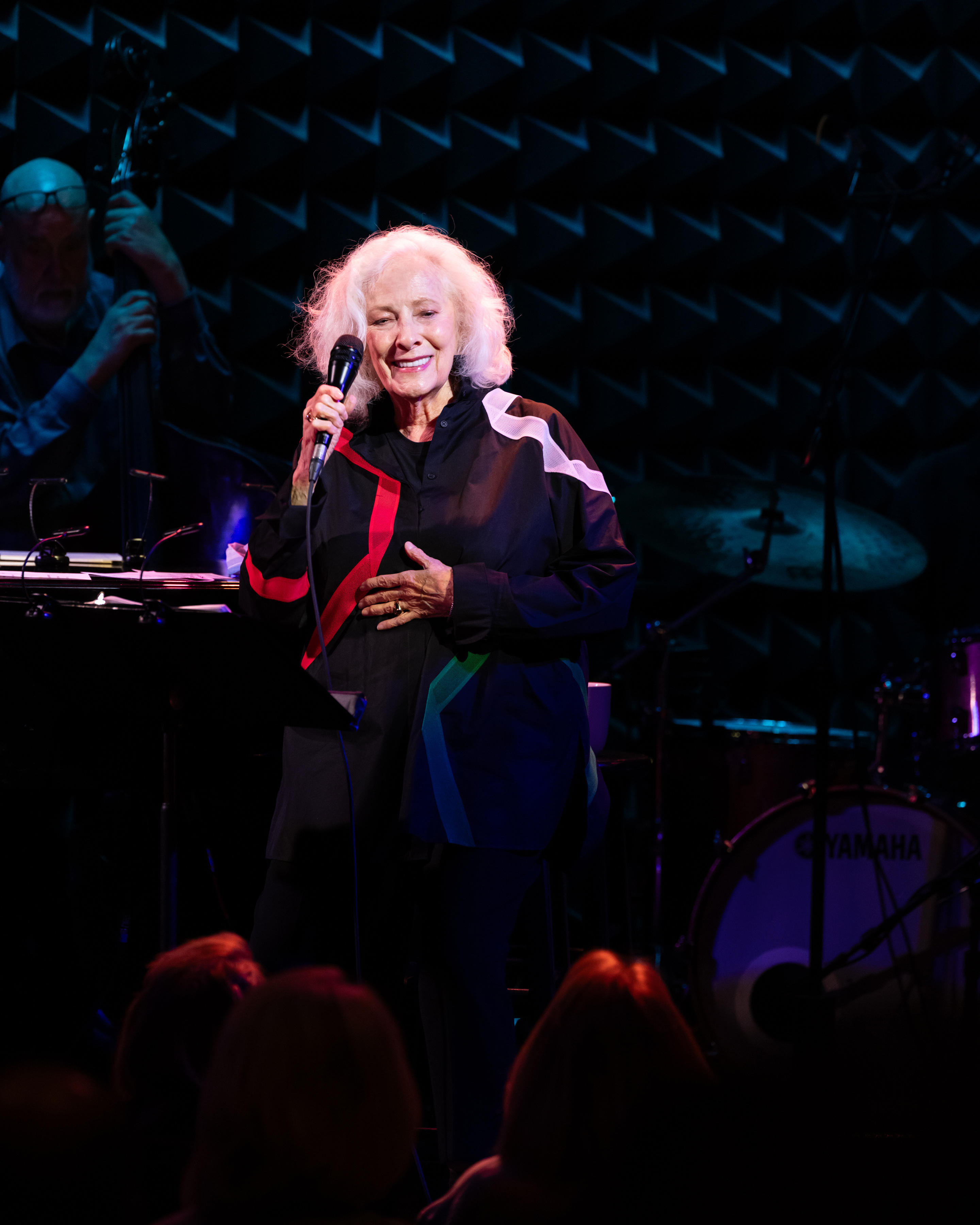
Some songs that I’ve been known for through the years just don’t resonate with me the same way anymore. Songs I did in my 30s don’t have the same meaning in my 70s. When I was a young singer, I was very much about longing, a cry of the heart. I don’t feel that anymore. “Memory,” on the other hand—it’s like always revisiting my dear friend Grizabella, who I think of as one of my great soulmates, one of my teachers. That’s different. We were fooling around with it and came up with this guitar version with Jordan, and I think it gives it a really beautiful, tender setting that seems more right for me today as Grizabella’s representative.
(© David Andrako)
The album’s title track, “Enough,” is from an upcoming musical. How did that come about?
Sara Bareilles wrote it for a new musical called The Interestings that’ll be happening in 2027. I heard her sing it on a YouTube video with an orchestra, and I was immediately in love with the song. So I wrote her an email asking if I could sing it, even though it hasn’t come out yet, and she kindly and generously gave her permission. When I sent her the recording, she really liked it and gave us her stamp of approval. The songs I picked—including “The Times They Are A-Changin’” by Bob Dylan, “On the 4th of July” by James Taylor, and “American Tune” by Paul Simon—were intended to help people reflect on what we’ve always believed as a collective consciousness. In a time period where all of that is shifting and changing so radically, it’s my job as a storyteller to make people feel better and feel connected to one another.
You’ve described your role as being something like a heart surgeon. Where does that idea come from?
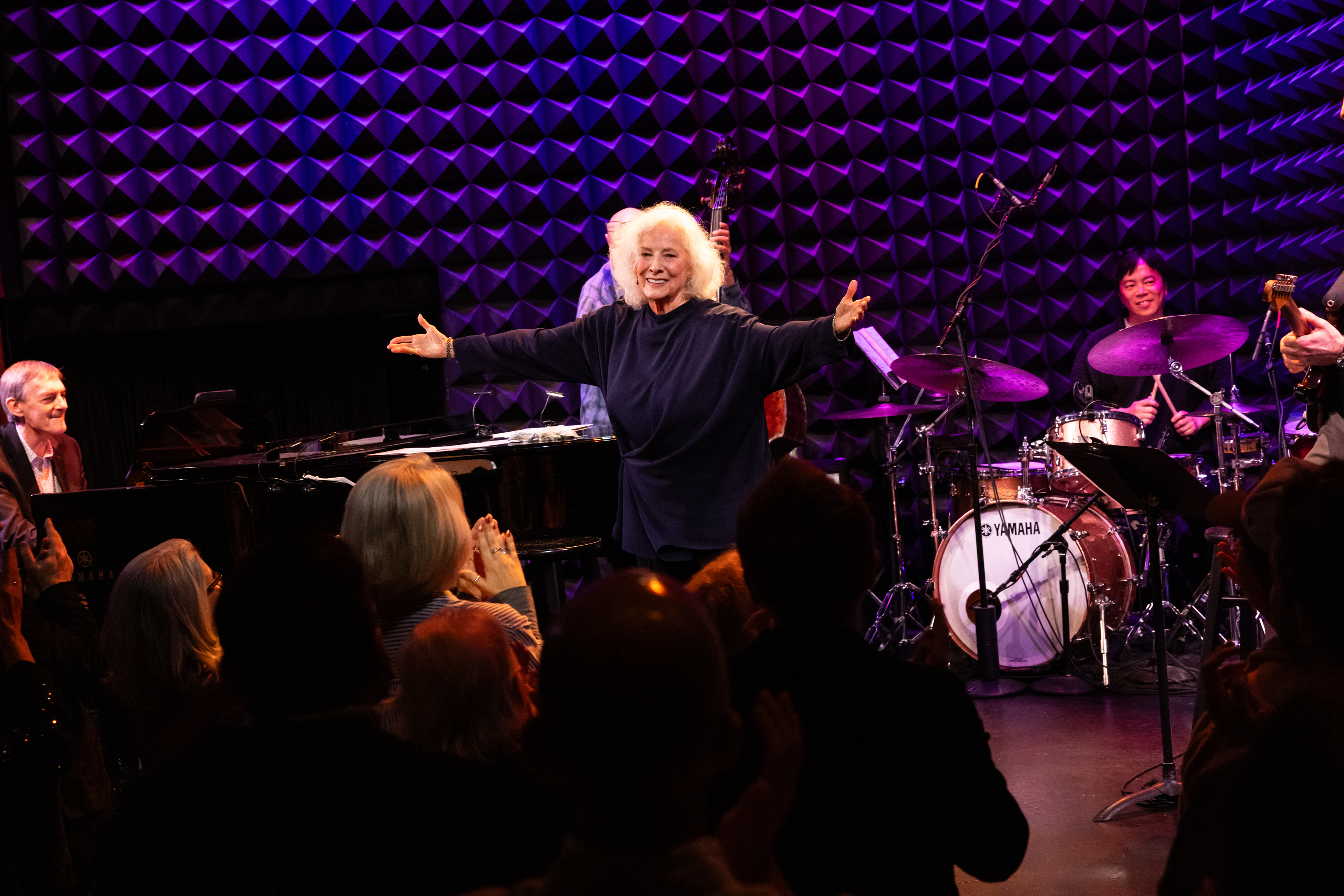
I’ve always told my band: we are undercover artists. Our job is to go in there and play music that touches people’s hearts and helps them remember who they are. I heard it for the first time when I was 22 and had a standing-room-only ticket at the Philharmonic listening to Sarah Vaughan. In that moment, watching her with her musicians, people breathless in that concert hall, I thought, Oh, I want to do that, not just sing on Broadway. And fortunately, I was given that opportunity after Cats, when I started doing concert work.
(© David Andrako)
Your career has been remarkably multifaceted. Were there ever roads not taken such as a life as a jazz musician, say?
When I grew up, my mother had a vast record collection of all the great lady singers including Judy Garland, Della Reese, Nancy Wilson, Ella Fitzgerald. I taught myself to sing mimicking them. I also had this tremendous love for Brazilian musicians like Antônio Carlos Jobim, and jazz musicians like [Dave] Brubeck. Then my ex-husband introduced me to Keith Jarrett, the improvisational pianist. He said, “Sit down and listen to this whole album.” It was the Bremen and Lausanne concert. So I did, and I was so mesmerized. I became a huge Keith Jarrett fan. The musical rides he took me on, the visions I would see through his music, I started going to his concerts wherever I could find him. At one concert, I actually saw myself walk onstage with an incredible quartet. I didn’t know what the music was, but I felt it. And from that point, I set about finding my quartet. That search led me to pianist Kenny Werner, and I immediately burst into tears when he played for me. We started working together and that led to our first record deal.
Did you ever actually get to meet Jarrett?
A couple of times I waited in the autograph line, and he was like, Yeah, later, kid. You know, that kind of thing. But at Carnegie Hall, his wife was in the line ahead of him and she said, “We know who you are, Betty.” And I was like, “You do?” It was hilarious. Bruce Hornsby was standing right behind me in that same line once—we were all like little children waiting for Keith Jarrett. Those musical discoveries, all those people, they all led to the journey of who I am.




source on Google
Latest Reviews
See all

Latest Videos
Jocelyn Bioh, Whitney White, Jasmine Amy Rogers, and Patina Miller Talk School Girls
The playwright, director, and stars of School Girls; Or, the African Mean Girls Play discuss the comedy, sisterhood, and themes behind the new Broadway production.