
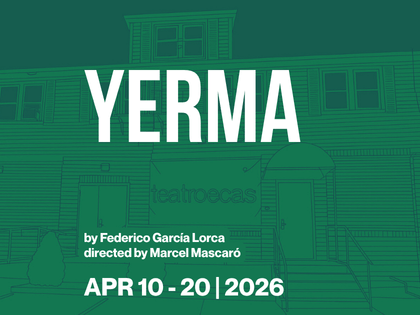
Yerma
About the Show
Yerma de Federico Garcia Lorca.
Una joven cuyo deseo de tener un hijo es tan fuerte que le habla y le canta a un bebé que aún no existe, Yerma lamenta su vida y las consecuencias de un matrimonio sin amor. “Yerma”, escrita en 1934 por el dramaturgo Federico García Lorca, aborda temas como el aislamiento, la pasión y los celos. Debido a que su matrimonio es insatisfactorio, Yerma cree que un hijo le traerá la alegría que tanto anhela. Se siente vacía e incompleta sin un hijo, pero no logra tener éxito con su esposo distante; sin embargo, se niega a abandonarlo por su sentido del deber. Yerma teme que, si no concibe pronto, su sangre se convertirá en veneno. Su nombre es la versión femenina del adjetivo “yermo”, que significa “estéril”. A medida que los acontecimientos se salen de control, Yerma experimenta una monumental envidia por una amiga que acaba de ser madre, y la historia inevitablemente termina con consecuencias trágicas.
Yerma by Federico Garcia Lorca.
A young woman whose desire for a child is so strong that she speaks and sings to the not-yet-created baby, Yerma mourns her life and consequences of a loveless marriage. “Yerma” was written in 1934 by dramatist Federico Garcia Lorca and deals with themes of isolation, passion, and jealousy. Because her marriage is unsatisfying, she believes a child will bring her the joy she so desperately seeks. She feels empty and unfulfilled without a child but is not able to achieve success with her distant husband, she refuses to leave him because of her sense of duty. Yerma fears that if she doesn't conceive soon, her blood will turn to poison. Her name is the feminine version of the adjective yermo, meaning "barren." As plot developments spiral out of control, Yerma experiences monumental jealousy for a friend who is a new mother, and the story cannot help but end with tragic consequences.
This play is performed in Spanish with English supertitles.
You Might Also Like

Latest Videos
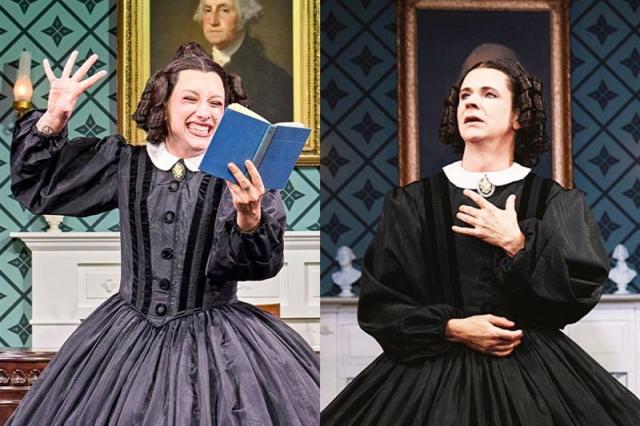
West End vs Broadway: Oh, Mary!—From an Angry Inch to an Angry First Lady, With John Cameron Mitchell and Mason Alexander Park
Mitchell and Park celebrate a decade-long friendship in our latest installment.