
Film Review
Review: You Had to Be There, How Godspell Launched the Careers of the Funniest Canadians
Nick Davis’s documentary reunites the comedy greats who starred in the 1972 Toronto production.
 |
Toronto
|
September 14, 2026
(© Greenwich Entertainment)
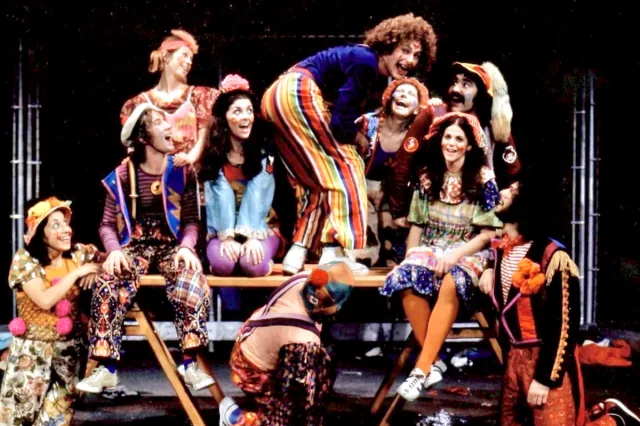
If you’ve ever spent any time around theater people, especially those who have worked together for years, the moment will come when they begin to reminisce about that one show they did in the prime of their youth, that minted more memories than any other. For Martin Short, Eugene Levy, Andrea Martin, Paul Shaffer, and Victor Garber, that show was Godspell.
“I don’t hate Godspell,” said fellow Canadian funnyman John Candy during a 1992 tribute to the late Gilda Radner, who was also a cast member in that storied production. “I was never in Godspell,” Candy continues, “And for the last 20 years I’ve been told that…at every function we go to…where they start singing ‘Day by Day.'”
Now you too can feel what Candy felt and understand why these famous actors keep gathering round the piano. Nick Davis’s wonderful new documentary from Greenwich Entertainment, You Had to Be There, reunites the living members of the 1972 Toronto cast of Godspell to tell the story of that unexpectedly significant production and how it laid the groundwork for the last 50 years of North American comedy.
When they auditioned for the Canadian debut of the Stephen Schwartz and John-Michael Tebelak’s musical reimagining of Christ and his disciples as hippie clowns, the bold names listed above were unfamous 20-somethings. They attended a cattle call audition at the Masonic Temple with a thousand other young actors, most of whom sang selections from Hair. From the multitudes, 10 actors were cast, including Jayne Eastwood, Gerry Salsberg, Rudy Webb, Valda Aviks, Avril Chown, Radner, and everyone listed in the first paragraph except Andrea Martin, who was initially rejected but brought in a few weeks later as a replacement. Shaffer was hired as music director.
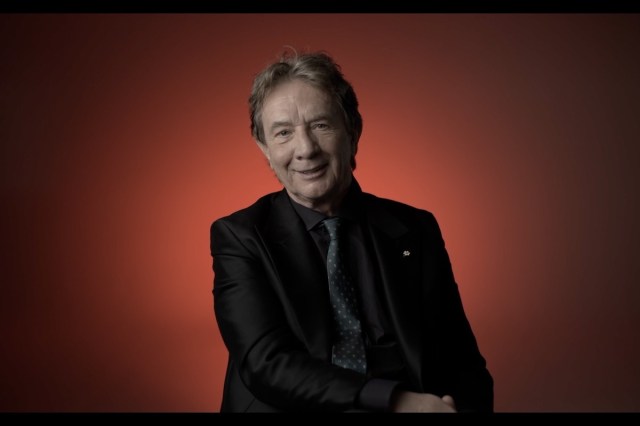
Through confessional interviews filmed in front of jewel tone backgrounds, we get a feel for who these legends were as they were finding their footing as performers. We learn how Garber’s angelic voice earned a standing ovation from the other auditioners, who knew he was a shoo-in (he was the only member of the Toronto company to be cast in the 1973 film). We hear how Levy’s natural leadership guided him and Short through callbacks. And we discover Short’s habit of documenting every moment of his life, a very Millennial impulse for a Boomer, which blessedly provides much of the first-hand evidence on which this film stands.
One of the heartbreaking and beautiful things about the theater is how ephemeral it is, how for most shows you had to be there because once it’s gone, it’s gone. Godspell had 488 performances at the Royal Alexandra Theatre, and not one of them was filmed. But Short clandestinely set up microphones and a tape recorder so we can still hear what the cast sounded like.
“Though it’s illegal and he shouldn’t have done it, I’m so glad Martin Short one night decided he would make a recording of the show,” says Schwartz, Oz-like before an emerald backdrop, perfectly encapsulating the Broadway establishment’s wild ambivalence about bootlegs.
(© Greenwich Entertainment)
More interesting than a fuzzy 54-year-old cassette recording of “We Beseech Thee” are the recordings Short made of the company’s afterparties at 1063 Avenue Road, the rental home he shared with Levy, where cast members would mingle with the likes of Dan Ackroyd, Catherine O’Hara, Lorne Michaels, and Dave Thomas (who would later join the cast). Hearing these nascent comedy greats in various states of inebriation crack one another up gives listeners a sense of the instant chemistry that would power this group to fame in the coming years as they went off to perform with the Second City and migrated south of the border for bigger opportunities.
Since so much of You Had to Be There is based in audio, groovy sixties-style animation by Ace & Son Moving Picture Company becomes essential, illustrating not just the well-known actors in this story, but the vibe of the era from which they emerged.
Further interviews with Mike Myers, Heidi Gardner, and Lin-Manuel Miranda hammer home the wide-ranging influence this circle of friends has had on the culture, and how the semi-improvisational nature of Godspell proved to be excellent training for SCTV (now streaming on Netflix), Saturday Night Live, and all that followed. For someone like me, who grew up on Christopher Guest films and SNL reruns on Comedy Central, it is a remarkably illuminating watch.
You Had to Be There satisfyingly answers the question, how has Canada punched above its weight in comedy all these years? The answer is musical theater serendipity, and you no longer had to have been there to know that’s true.




source on Google
Latest Reviews
See all

Latest Videos
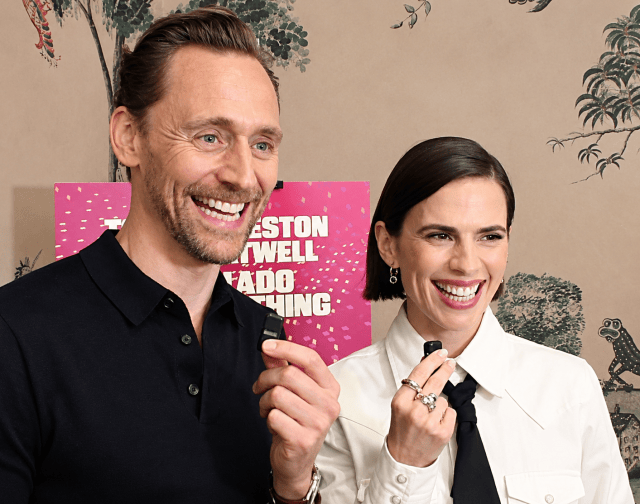
Watch: Tom Hiddleston and Hayley Atwell Are Ready to Spar in Much Ado About Nothing
The longtime friends take on Shakespeare’s beloved Benedick and Beatrice in Jamie Lloyd’s confetti-filled production on Broadway.