
Interview: Survival Is a Creative Act for Jesse Malin as He Finds His Way Back to the Stage
The New York rock legend opens up about his spinal stroke and Silver Manhattan.
 |
Off-Broadway
|
|
Off-Broadway
|
March 17, 2026
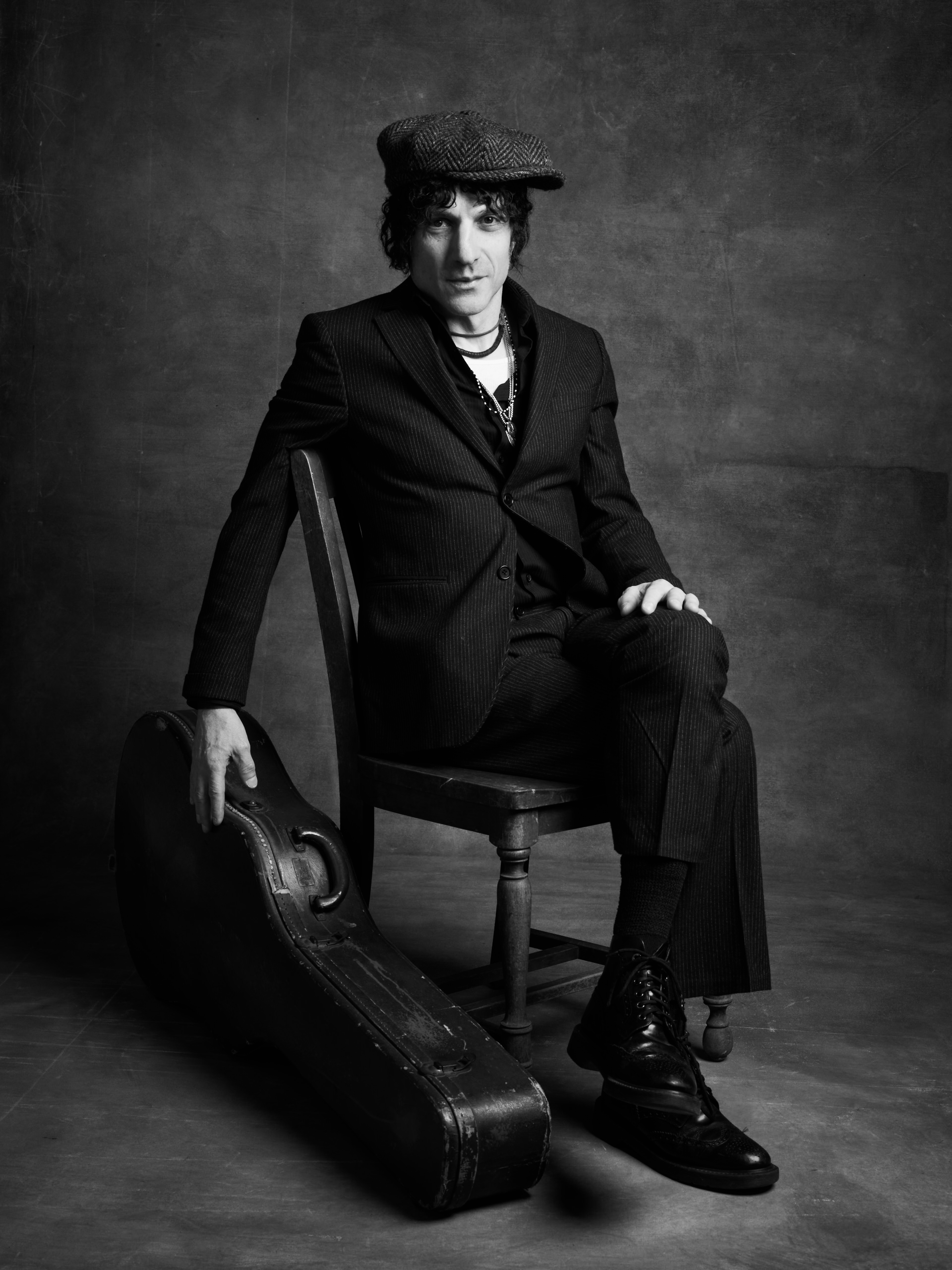
(© Mark Seliger)
Silver Manhattan runs five nights a week at the Bowery Palace on the Lower East Side. Jesse Malin’s memoir, Almost Grown: A New York Memoir, is due out in April.
This conversation has been condensed and edited for clarity.
Silver Manhattan is described as a play, but also a concert. How do you define it?
I don’t know what label to put on it, but it’s a script, it’s acting, it’s a story—and there’s a band onstage. We play songs from different parts of my life, from when I was 12 years old all the way to my latest records, and D Generation in the middle. It’s definitely a story of survival—of finding ways to deal with adversity. We show examples of me coming up with a single mom in Queens, wanting to play music at a young age, getting hit with different obstacles. And then when I have this rare spinal stroke out of the blue, and I have to cancel all my touring.
Can you take us back to the night the stroke happened?
It happened on the one-year anniversary of my best friend Howie Pyro’s passing—the guy I got my first record deal with, a guy from Queens. I was celebrating him with a dinner and a party to commemorate his death, and this happened at the restaurant, pretty much. I didn’t want to believe it. I just wanted to get off the floor and get to the DJ party I was supposed to play. I ran 5 miles a day, I eat plant-based organic, I never did drugs—and suddenly I’m in the hospital for three months, paralyzed from the waist down. I felt a loss of self, like a death of who I was.
You went to Argentina for stem cell treatment. Did it help?
Besides the stem cells, they did five days a week, five hours a day of physical therapy. It was intense. And I built a little community in Buenos Aires, which was something. But really, it was about wanting to find that part of me again—will I be accepted, can I accept myself in this new way, but also not accepting it. I want to find a way to stand up at a mic stand and sing a song. I have braces on, I have special mic stands. It parallels when I was a kid and I couldn’t afford an electric guitar, so I taped a microphone to a shitty acoustic and plugged it into an old reel-to-reel in my grandfather’s basement. Here’s a guy that’s going to tape himself up and just stand up there and try.

(© Vivian Wang)
How did the idea for the play come about?
After the two nights at the Beacon, a friend of mine—a manager of big acts—called the next day and said, “How about a residency in New York? Make the world come to you. You got your stories, you got your songs.” He mentioned Les Paul at Fat Tuesdays, Woody Allen at the Carlyle, Billy Joel at the Garden. And I started thinking and I came up with the idea for a play. The catalyst was being able to make a living, but New York is such a transient tourist city. Why not do it here?
Is it cathartic to tell this story every night?
When we’re rehearsing it, hearing the doctor’s character tell me the diagnosis again and again—it’s traumatic. But when I take it to the stage and bring it out there, it’s transcendent because of an audience. It’s like somebody at an AA meeting getting up and saying, “I’m Bob, I’m an alcoholic.” You write songs in your room, and then you take them to people and see if it rings true—because when you say it in a room full of strangers in the dark, with lights on you, you feel something. It’s a conversation. It can be liberating and empowering. I get choked up most nights. But there’s enough humor in there that I don’t get steamrolled completely.
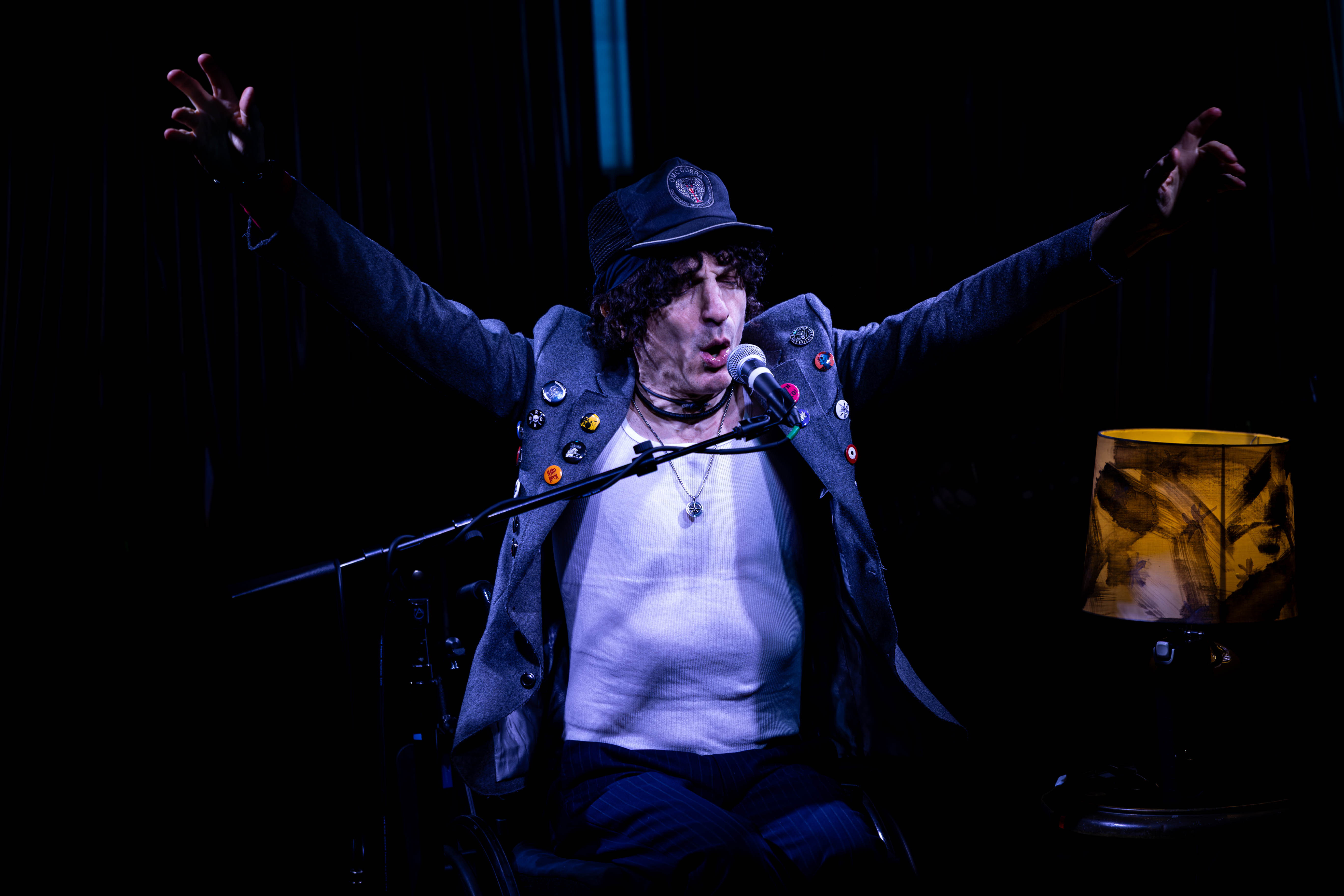
(© Ehud Lazin)
What’s your favorite part of the show?
There’s a character in Argentina who is kind of like a voice in my head—a very dark voice that keeps pushing this narrative that I’m a complete alien loser. That’s probably the biggest, most active moment in the play. And then there’s a comedic character, a salesman, who’s pitching all these remedies—because when I got sick, everybody I knew had a different cure. “You’ve got to talk to this person, go to my acupuncturist, try crystals, meditate, electroshock.” They all mean well.
How has the disability community responded to the show?
At first I didn’t want to talk to that many people. It scared me to think I might be in this community—I wanted to think I was just visiting. But over time I’ve met people who have been so helpful and generous. I’ve connected with people at the Christopher Reeve Foundation, and at the shows—especially at the Gramercy—people came out and I’d spend time with them afterward. I want those people to feel welcome and empowered, and I want to know what they got from watching it through their eyes.
Any chance of extending the run?
I feel like the story needs to be told right now. It makes sense for me and my journey. The train’s left the station, the genie’s out of the bottle, and it’s easier to keep going than to stop. We just need people to spread the word.




Featured In This Story
Latest Reviews
See all


Latest Videos
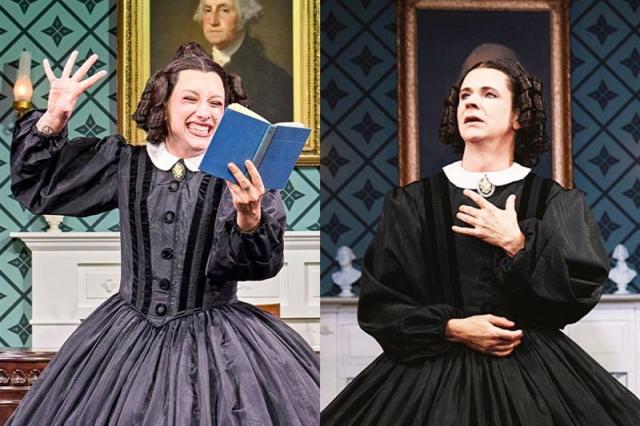
West End vs Broadway: Oh, Mary!—From an Angry Inch to an Angry First Lady, With John Cameron Mitchell and Mason Alexander Park
Mitchell and Park celebrate a decade-long friendship in our latest installment.