
You know what expression you don’t much hear any more? “The Fabulous Invalid.” It was a term often used in the early part of the last century to describe theater as an ailing endangered species – please take you medicine, dear stage -- but something that always seemed to survive, no matter what.
And if we could pick one musical to typify the fabulous invalid, wouldn’t it have to be Candide? The musical version of Voltaire comic novel by (let’s see if we can get them all) Leonard Bernstein, Lillian Hellman, John Latouche, Dorothy Parker and Richard Wilbur) was a 73-performance flop during the 1956-1957 season. Contrary to popular opinion, the reviews weren’t all bad; Steven Suskin’s Opening Nights on Broadway tallies them as two raves (including John Chapman’s “a great contribution to the richness of the American musical comedy stage” in the News), two favorable, two mixed, and one pan (Walter Kerr’s “a really spectacular disaster” in the Herald-Tribune).
It did, though, get a Tony nod for best musical. Competition was My Fair Lady, which finished first, and I’ll guess that The Most Happy Fella was the runner-up, Bells Are Ringing took third place, and Candide finished last. Just a guess, mind you.
It was only the second year that nominees were listed in categories; the year before, the winner was Damn Yankees, with Pipe Dream the one and only runner-up. So Candide doesn’t get the prize as the first flop to be nominated, but it was the shortest-running show in this category until 1975, when the nine-performance The Lieutenant undercut it.
In 1959, London saw Candide for an ever shorter time: 60 performances. Bernstein was always furious with noted critic Harold Hobson who said that audiences should take those little bags from airplanes in case they needed to vomit during the show.
But this was still the era when people sauntered into record stores and were interested in finding out what was happening – or had happened – on Broadway. The original cast album of Candide was one that made listeners say, “This show had to be terrific.” But as Sondheim has often said, it’s not the Lillian Hellman’s book was bad; it just wasn’t right for Bernstein’s soufflé-light score. Indeed, the Hellman estate will not let anyone to do it, and I don’t think it’s just because of the Mississippi jokes. You can’t put on stage lines like “White slaves are impractical; they show dirt.” So not being able to stage Hellman’s version may be for the best in this best of all possible worlds.
Interesting, too, how Sondheim has often intersected with Candide. After Latouche died, Bernstein asked Sondheim to come on as lyricist, but Sondheim declined and stayed with their West Side Story project -- even after Bernstein took some of his music from that show and brought it to Candide; “Oh, Happy We” is one of them. (By the way, if you’d like to hear two of Latouche’s lyrics, get the album of Erik Haagensen’s excellent Taking a Chance on Love, and hear “Plain Words,” which is what Latouche did with the “Oh, Happy We” melody, and “Ringaroundrosie,” which eventually became “Auto De Fe”).
But Sondheim would have a great deal to do with the famous 1973 revisal that rescued the show, turned it into a long-running Broadway attraction, and made it staple all over the world. (I’ve even seen a community theater production in Tampa). I daresay that in the ensuing years, Candide has experienced more changes that the announced completion dates of the TKTS booth on 47th Street.
Sondheim’s biggest contributions were many new lyrics to “The Best of All Possible Worlds” and a complete revamp of “Venice Gavotte” into the utterly delicious “Life Is Happiness Indeed” – which life has pretty much been for Candide ever since. Oh, sure, a 1997 Broadway staging was a 104-performance failure, but Candide has been caviar, and such a show will never fill a barn like the Gershwin eight times a week. But how many other flops (I’ll guess none) have had six more major recordings?
Of course, Sondheim wasn’t the biggest hero of the revisal. Two others are more cited: Hugh Wheeler provided a new book that stuck astonishingly close to Voltaire’s original. Take a read if you don’t believe me. (www.abebooks.com has a 1759 first edition available for $75,000.) While you’re at it, check out either the hardcover or mass market paperback of Hellman’s libretto, and you’ll see the world of difference between them. For one thing, you may recall from the opening number of the original cast album there’s a reference to “the marriage of Candide and Cunegonde.” That was hardly how Voltaire started his story, and Wheeler agreed. Class distinctions are an important part of the tale, and the Baron would never let his beloved daughter marry a bastard (even if it was his sister’s kid).
The other hero was director Hal Prince, though his staging of that ’73 revisal didn’t overwhelm me. Oh, the in-the-round, wooden stool-littered stage was technically terrific, but – like Man of La Mancha in 1965 -- the staging was a type never seen in New York, and that's what made the impression. Those of us who’d been to regional theaters that didn’t restrict themselves to proscenium stages had seen things like it before. Believe me, the earthquake that Prince put on stage couldn’t compare to the one Adrian Hall mounted in a 1968 play called Brother to Dragons at the Trinity Square Repertory in Providence, Rhode Island.
By the way, if you’re still stuck on the sentence that mentioned the “mass market paperback,” I don’t blame you. But it’s true. How many flops have had them? I tell you, this show is a fabulous invalid.
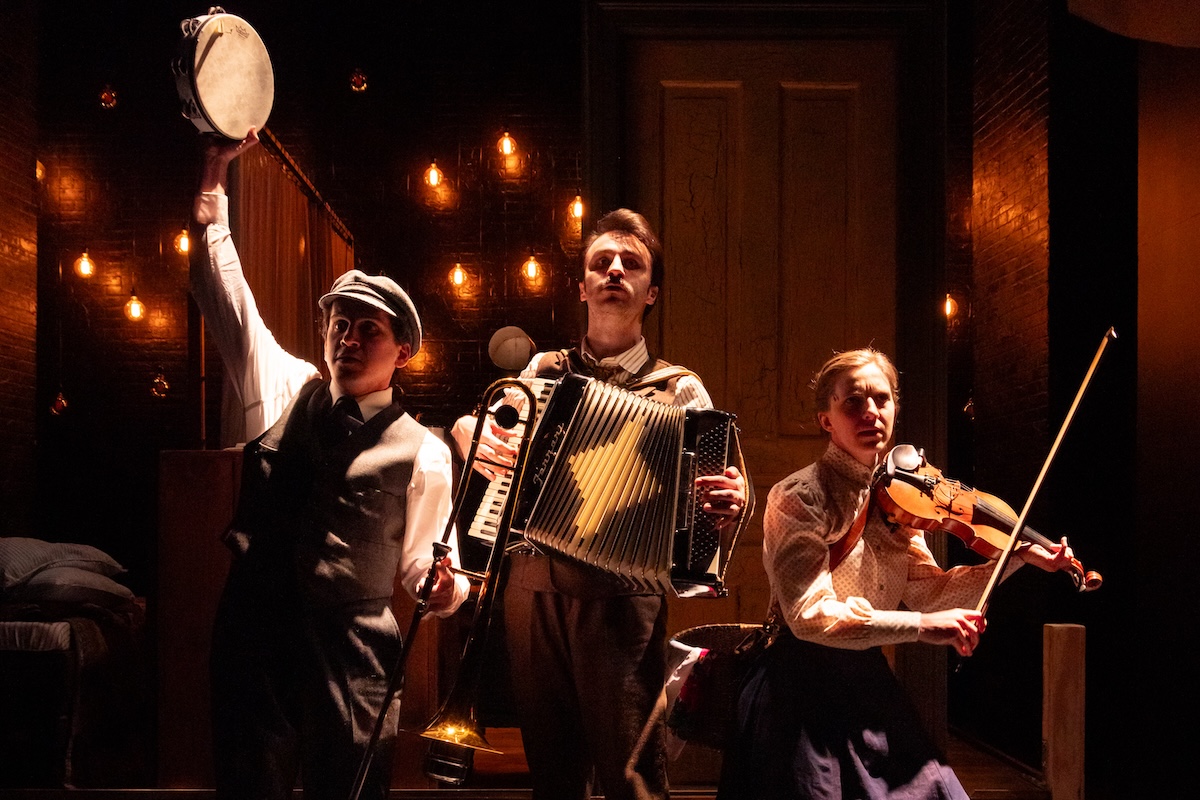
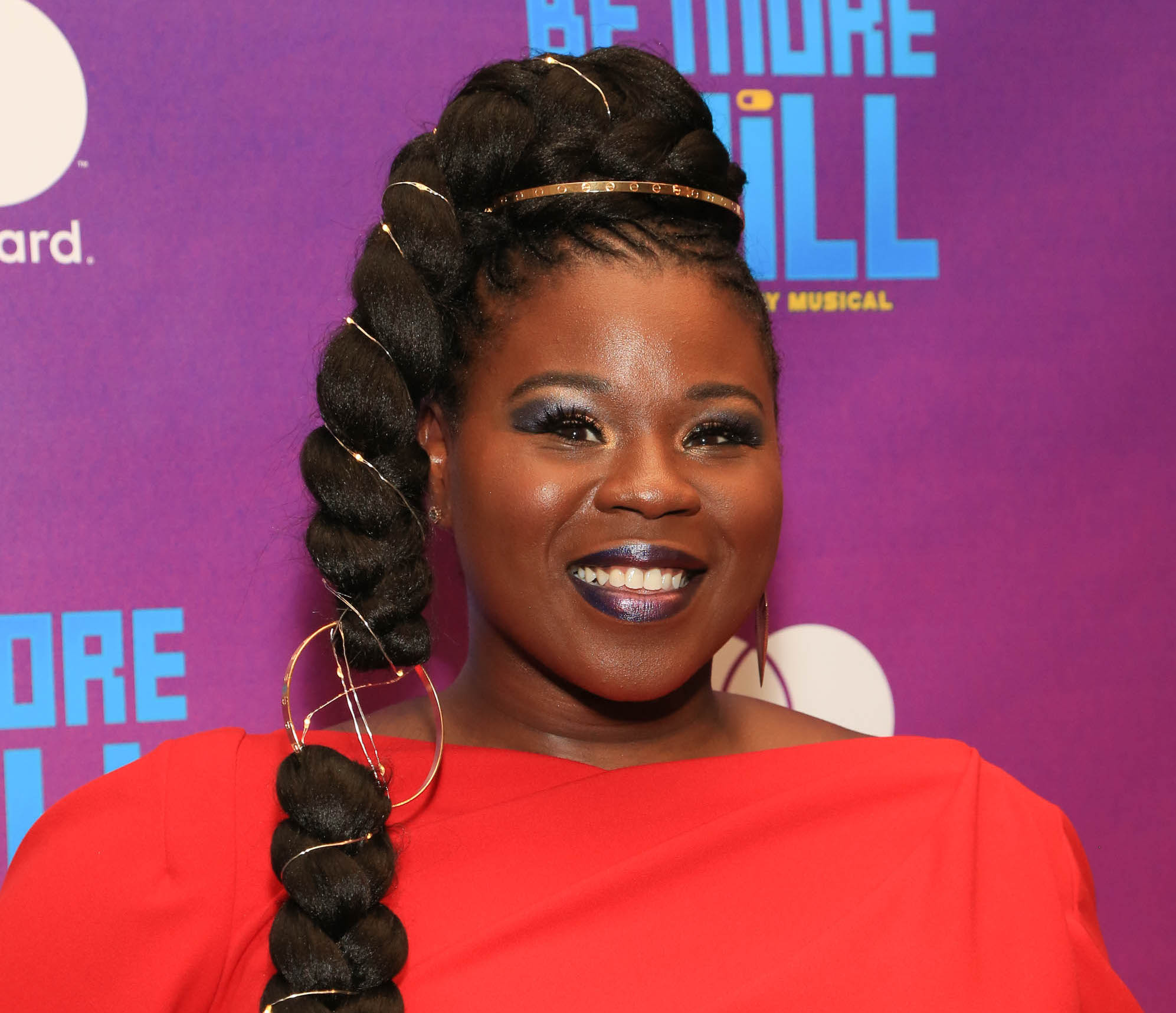
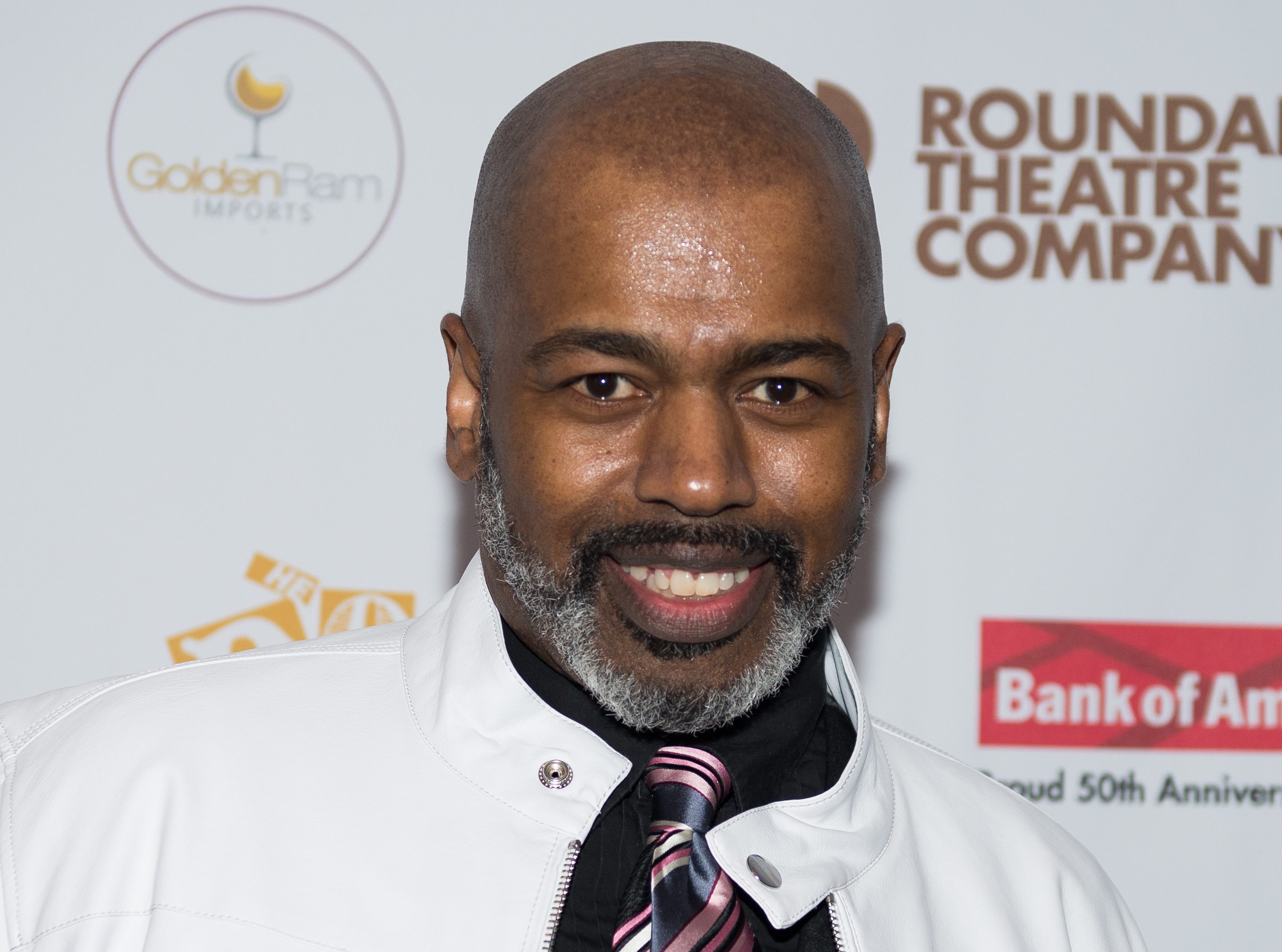
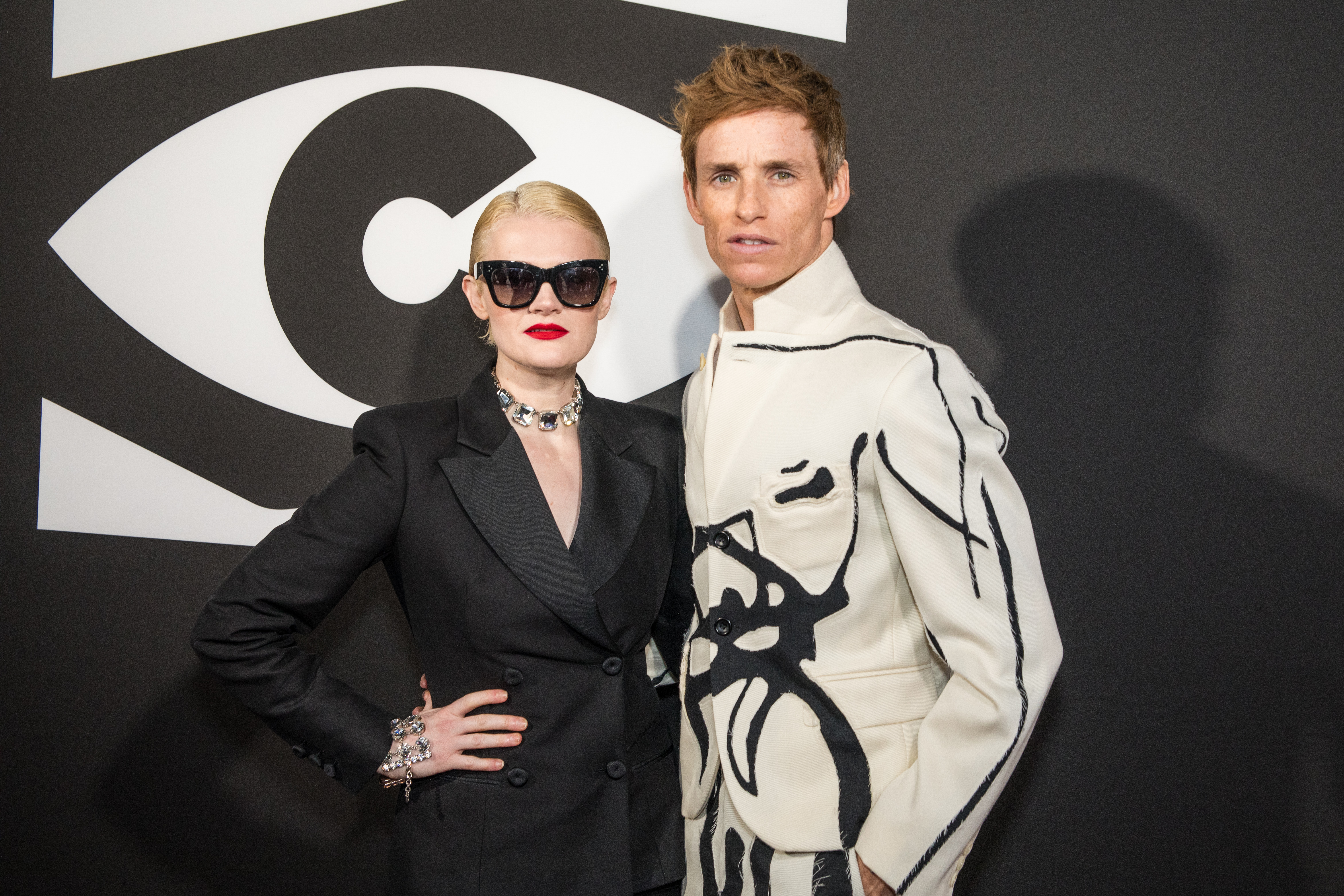
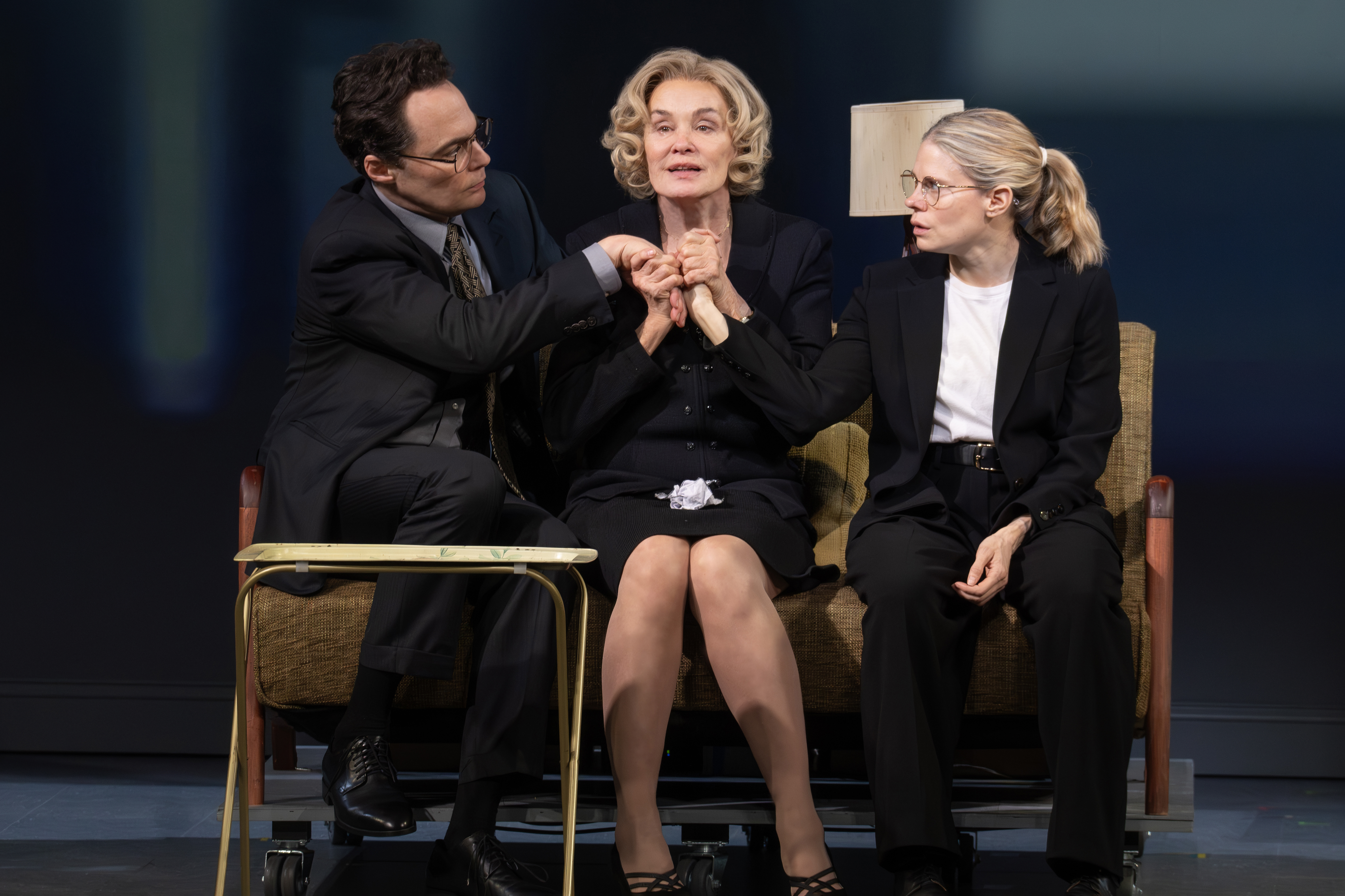
Now, once again, the 1982 “opera house version” has surfaced at City Opera. It reminds us that Broadway can no longer give Candide a truly first-class production with an enormous cast, oversized sets, and a sumptuous orchestra that doesn’t know from synthesizers. So this may be the ideal time to see the show, what with Richard Kind and Daniel Reichard doing yeoman work as Pangloss and Candide, Judith Blazer shining as The Old Lady, and Lauren Worsham glittering as Cunegonde.
And yet … and yet … while it’s fun to see Act One end with the sign, “The New World in 15 minutes,” Candide is never as interesting in the second act, until the very end, where we get to the famous (if very American) return-to-nature theme in one of the most glorious songs in this history of musical theater: “Make Our Garden Grow.” For all my talk about the wonders of a full orchestra, the most stunning moment in the song occurs when the orchestra just stops and rests, and the dozens upon dozens of cast members sing it a capella. Frankly, “Make Our Garden Grow” also gives the terribly underused chorus something to do.
That said, the satire on being optimistic doesn’t need a second to show more and more calamities befalling its heroes and villains. There was a reason Voltaire told his story in about 100 pages and exited. Candide could be shorter – but then we wouldn’t have all that music, would we?
Needless to say, everything hasn’t always happened for the best in the world of Broadway musicals. But things have turned out well for Candide, haven't they?